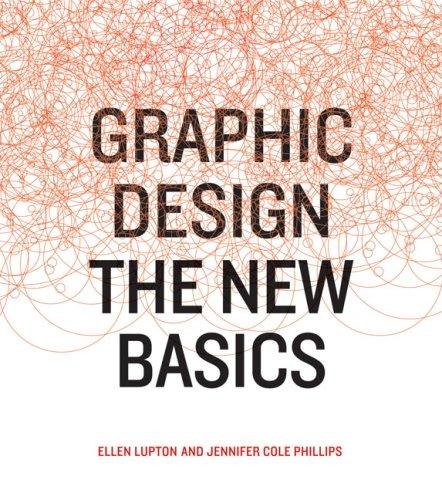
A clear, visual introduction to the core principles of graphic design, from point and line to grids, layers and patterns, illustrated with student and professional work
The building blocks of design
Ellen Lupton and Jennifer Cole Phillips, both design educators, set out the fundamental ideas that underlie all graphic design. Short chapters cover point, line and plane, rhythm and balance, scale, texture, colour, figure and ground, framing, hierarchy, layers, transparency, modularity, grids, patterns, diagrams, time and motion, and rules and randomness. Each concept is explained in a few pages of clear text and illustrated with exercises by students alongside examples from working designers.
Who will enjoy it
Design students and self-taught designers, people moving into design from other fields, and teachers looking for a clear foundation text.
What you will get
A clear, richly illustrated introduction to the visual building blocks of graphic design, from scale and colour to hierarchy, layers and grids.
Graphic Design: The New Basics Facts: Pages, Genre and Setting
Genre
Nonfiction · Visual principles · Design education · Composition
Length
248 pages · ≈ 7 h
More about this book
The book's great strength is its structure. Each principle gets its own short chapter, with a concise explanation followed by many visual examples, so readers can quickly grasp an idea and see it applied in different ways. The mix of student exercises and professional work is especially useful, showing how simple constraints can lead to inventive results.
Lupton's writing is clear and free of jargon, and the authors connect the basics to both classic modernist design and contemporary digital practice. The chapters on hierarchy, layers and grids are particularly helpful for anyone designing web pages, presentations or documents, not just posters and books.
The text is brief by design, so readers wanting deeper theory or detailed typography should pair it with Thinking with Type. Some examples feel dated in the first edition, and a revised, expanded second edition is now available. As a visual foundation course in book form, it is excellent. Many of the exercises can be tried at home with nothing more than paper, scissors and a pen, which makes the book unusually practical for self-directed learners. Teachers will also find it easy to adapt into a sequence of short assignments. About 248 pages in the Princeton Architectural Press first edition.
 Thinking with Type
 The Non-Designer's Design Book
 Grid Systems in Graphic Design
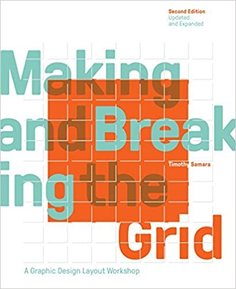 Making and Breaking the Grid
 Flow
 The Right Stuff
 How Plants Work
 Einstein: His Life and Universe
 Seed to Seed
 The Conquest of Happiness
 Lords of Finance
 Dreams from My Father