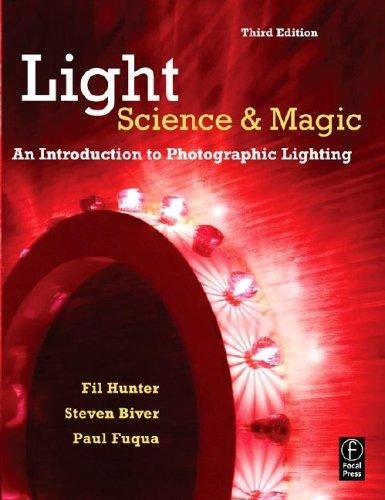
A classic introduction to photographic lighting that teaches the principles of how light behaves, so photographers can plan lighting for any subject
Lighting from first principles
Fil Hunter, Steven Biver and Paul Fuqua, all working photographers, explain photographic lighting through how light actually behaves rather than through formulas or recipes. They introduce key ideas such as the family of angles, direct and diffuse reflection and polarisation, and then apply them to practical challenges: lighting surfaces, revealing shape and texture, photographing metal, glass and liquids, managing extremes of black on black and white on white, and lighting people. The third edition adds material on digital photography.
Who will enjoy it
Photographers moving beyond automatic settings, product and studio photographers, and photography students who want a solid understanding of lighting principles.
What you will get
A classic guide to photographic lighting that explains how light behaves and how to use that knowledge to light surfaces, objects and people with confidence.
Light: Science and Magic Facts: Pages, Genre and Setting
Genre
Nonfiction · Photo lighting · Studio techniques · Light physics
Length
308 pages · ≈ 9 h
More about this book
The book's great strength is that it teaches understanding rather than recipes. Once readers grasp the idea of the family of angles and the difference between direct and diffuse reflection, they can predict how any light will look on any surface, and the authors show this again and again with clear diagrams and example photographs. The writing is patient and clear, and the authors are careful to explain why a technique works before showing how to use it.
The chapters on photographing metal and glass are particularly valued, as these are among the hardest subjects to light well, and the explanations of how to control reflections are clear and practical. The section on lighting people introduces portrait lighting through the same principles, which ties the book together.
Some examples and equipment references in the third edition are dated, and later editions update the digital material. The physics sections may feel slow to readers who want quick results. Beginners who have never used a flash may want a simpler introduction first. For serious learners, it remains one of the best books on lighting. About 308 pages in the Focal Press third edition.
 Understanding Exposure
 Read This If You Want to Take Great Photographs
 Graphic Design: The New Basics
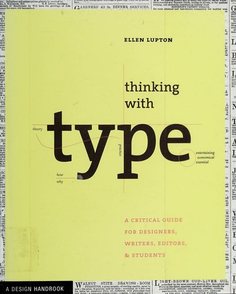 Thinking with Type
 Cleopatra: A Life
 The Omnivore's Dilemma
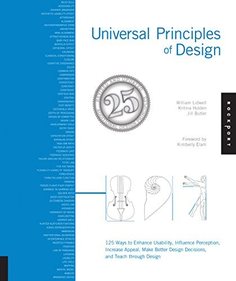 Universal Principles of Design
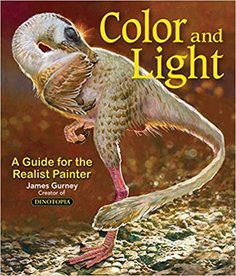 Color and Light
 Nourishing Traditions
 Between the World and Me
 Scattered Minds
 Notes on Nursing