The Crucible Characters: John Proctor, Abigail Williams, Tituba and the Salem Court
Accusers, accused and the court that believed the wrong people
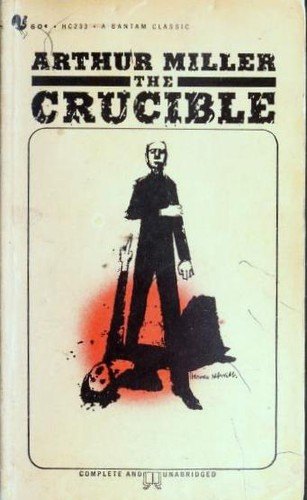
Who's who and how they end
| Character | Side | Fate in the play |
|---|---|---|
| John Proctor | Accused | Hanged, refusing to confess |
| Elizabeth Proctor | Accused | Spared for now because she is pregnant |
| Abigail Williams | Accuser | Flees Salem with Parris's money |
| Samuel Parris | Court supporter | Left frightened and disgraced |
| Tituba | First to confess | Jailed |
| John Hale | Starts with the court, then turns | Begs prisoners to save themselves |
| Judge Danforth | The court | Refuses to stop the hangings |
| Mary Warren | Accuser who tries to recant | Turns back on Proctor |
| Rebecca Nurse | Accused | Hanged |
| Giles Corey | Accused | Pressed to death under stones |
John Proctor
Proctor is a strong, plain-spoken farmer who has little patience for Parris and keeps his distance from village politics. He carries one secret: months before the play begins, he had an affair with Abigail while she worked in his house. His guilt makes him slow to act, because exposing her means exposing himself. When he finally does, it is too late. His last decision, to tear up a false confession rather than buy his life with a lie, is the moral climax of the play.
↑ Back to the topAbigail Williams
Abigail is seventeen, orphaned, clever and dangerous. She lives with her uncle Parris, was dismissed from the Proctor household by Elizabeth, and still wants John. When the girls are caught in the woods, she discovers that accusing others protects her and gives her a power no girl in Salem has ever had. She uses it to target Elizabeth. When the tide turns, she robs her uncle and disappears.
↑ Back to the topElizabeth Proctor
Elizabeth is reserved and honest, still hurt by her husband's betrayal and unable to hide it. The two are slowly finding their way back to each other when she is arrested. Her one lie, told in court to protect his name, is a tragic mistake that condemns him. In the final act she admits her own coldness and leaves the choice to him, refusing to push him either way.
↑ Back to the topDanforth, Hathorne and Hale
Deputy Governor Danforth runs the court with intelligence and total certainty. He knows the law well and cannot allow that the court has hanged innocent people, because that would destroy its authority. Judge Hathorne is harsher and less thoughtful. John Hale arrives proud of his learning about witchcraft and leaves broken by what he has helped to start; in the last act he urges the accused to lie and live.
↑ Back to the topParris, Tituba and the Putnams
Parris, Abigail's uncle, worries most about his position and his enemies, and supports the trials when they protect him. Tituba, his enslaved servant from Barbados, is the first to be pressured, and she confesses to save herself. Thomas and Ann Putnam, wealthy and bitter after losing several babies, push the accusations, and Thomas uses them to grab his neighbours' land.
↑ Back to the topRebecca Nurse, Giles Corey and Mary Warren
Rebecca Nurse is a gentle, respected old woman whose arrest shows that no one is safe; she refuses to confess and is hanged. Giles Corey, an argumentative old farmer, refuses to name the source of his evidence and is crushed under heavy stones for refusing to plead. Mary Warren, the Proctors' timid servant, tries to tell the truth in court but collapses under the other girls' pressure and accuses Proctor instead.
↑ Back to the topAt the centre are John Proctor, a farmer with a guilty secret, his wife Elizabeth, and Abigail Williams, the young woman who starts the accusations. Around them stand the court of Judge Danforth, the witchcraft expert John Hale, Abigail's uncle Samuel Parris, the enslaved servant Tituba and the accused villagers Rebecca Nurse and Giles Corey.
Almost every name is borrowed from real people of Salem in 1692.
More about The Crucible
Books Like The Crucible
 A Doll's HouseHenrik Ibsen
 Death of a SalesmanArthur Miller
 Native SonRichard Wright
 One Day in the Life of Ivan DenisovichAleksandr Solzhenitsyn
 Waiting for GodotSamuel Beckett
 Madame BovaryGustave Flaubert
 The Tragedy of Julius CaesarWilliam Shakespeare
 Things Fall ApartChinua Achebe
This guide discusses the whole plot, including the ending.