The Crucible Summary: Plot, Characters and Ending
The woods, the accusations, the court and the final choice
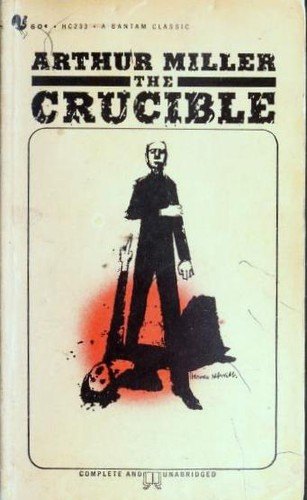
The Crucible is Arthur Miller's 1953 play about the Salem witch trials of 1692. When a group of girls is caught dancing in the woods, their leader Abigail Williams escapes punishment by accusing others of witchcraft, and the panic spreads until a court is hanging innocent people. The farmer John Proctor, who once had an affair with Abigail, tries to stop her and is destroyed by the trials himself.
It ends with Proctor refusing to sign a false confession and going to his death with his good name intact.
How does it begin?
Samuel Parris has caught his daughter Betty, his niece Abigail, his servant Tituba and several girls dancing in the forest at night. Now Betty lies in bed and will not wake, and the village whispers about witchcraft. Abigail warns the others to say nothing beyond the dancing.
Abigail once worked for the Proctors, and she and John had an affair before Elizabeth dismissed her. She still wants him, and he tells her it is over. When the witchcraft expert John Hale arrives and questions Tituba, Tituba, terrified, confesses and names other women. Abigail and Betty join in, crying out names, and the accusations begin.
↑ Back to the topHow do the trials grow?
Within days a court is sitting in Salem, run by Deputy Governor Danforth, and dozens of people are in jail. The girls become the court's star witnesses, and their fits are taken as proof. Old feuds and land disputes surface, because naming a neighbour can win you his farm.
Abigail accuses Elizabeth Proctor, using a doll found in the Proctors' house with a needle in it as evidence. Proctor persuades Mary Warren, his servant and one of the girls, to tell the court the truth: it was all pretence.
↑ Back to the topWhat happens when Proctor goes to court?
In court the girls turn on Mary, pretending to see her spirit attack them, until she breaks and accuses Proctor. To discredit Abigail, Proctor confesses his affair with her. Elizabeth, who has never told a lie, is called in to confirm it and, trying to protect her husband's name, denies it. Proctor is arrested, and Hale, horrified, quits the court.
↑ Back to the topHow does The Crucible end?
Months later, Abigail has fled Salem with her uncle's savings. With hangings planned for respected people, Parris and Hale beg the prisoners to confess and save their lives. Elizabeth, spared for now because she is pregnant, is asked to persuade Proctor.
Proctor agrees to confess and signs. But when he learns the paper will be nailed to the door of the meeting house, he refuses to let it go and tears it up, saying he cannot give up his name. He walks out to be hanged with Rebecca Nurse. Hale begs Elizabeth to change his mind, and she refuses, saying he has found his goodness at last.
↑ Back to the topThe cast
| Character | Who they are |
|---|---|
| John Proctor | A blunt, independent farmer |
| Elizabeth Proctor | His wife, honest and reserved |
| Abigail Williams | Seventeen; Parris's niece and leader of the girls |
| Samuel Parris | Head of Salem's meeting house; Abigail's uncle |
| John Hale | A visiting expert on witchcraft |
| Judge Danforth | The deputy governor who runs the court |
| Mary Warren | The Proctors' servant, one of the girls |
| Tituba | Parris's enslaved servant from Barbados |
| Rebecca Nurse | A respected old woman |
| Giles Corey | A tough, argumentative old farmer |
More about The Crucible
Books Like The Crucible
 A Doll's HouseHenrik Ibsen
 Death of a SalesmanArthur Miller
 Native SonRichard Wright
 One Day in the Life of Ivan DenisovichAleksandr Solzhenitsyn
 Waiting for GodotSamuel Beckett
 Madame BovaryGustave Flaubert
 The Tragedy of Julius CaesarWilliam Shakespeare
 Things Fall ApartChinua Achebe
This summary reveals the whole plot, including the ending.