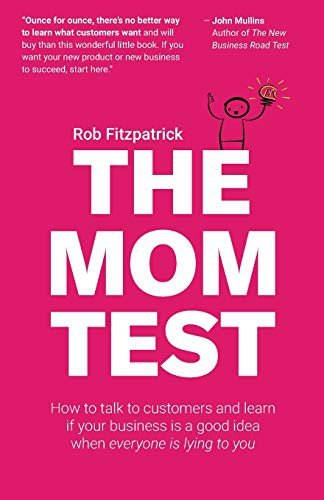
A short, practical guide to talking with customers so that you learn whether your business idea is any good, even when everyone wants to be nice
Everyone is being polite
Rob Fitzpatrick starts from a simple problem: when you ask people whether your idea is good, they lie, usually to be kind. His solution is a set of rules for customer conversations that produce honest, useful answers. Talk about their life rather than your idea, ask about specific past behaviour instead of opinions about the future, and listen far more than you speak. He also explains how to spot compliments and vague enthusiasm, and how to ask for real commitments.
Who will enjoy it
Founders and would-be entrepreneurs, product managers and designers, and anyone who needs to learn what customers really think.
What you will get
A short, practical guide to asking customers the right questions, avoiding polite but useless compliments, and finding out whether an idea is really worth building.
The Mom Test Facts: Pages, Genre and Setting
Genre
Nonfiction · Customer interviews · Startups · Product research
Length
130 pages · ≈ 4 h
More about this book
The book's great strength is how concrete it is. Fitzpatrick gives example conversations marked good and bad, explains exactly why one works and the other does not, and offers simple rules that can be applied the next day. The central idea, that you should ask about people's actual lives and past behaviour rather than pitching your idea, is easy to grasp and surprisingly powerful.
He also tackles practical questions that other books skip: how to find people to talk to, how to keep conversations casual, how many people from a team should attend, and how to tell the difference between real interest and politeness. The writing is informal and often funny, with examples drawn from his own startup mistakes.
It is very short, which is a virtue, but readers looking for deeper research methods will need other sources. The focus is on early-stage startups, though product teams and freelancers will find most of the advice transferable. As a quick, high-value read, it is hard to beat. It is worth rereading before each new round of interviews, since the rules are easy to forget in the excitement of talking about an idea. About 130 pages in the paperback edition; listings vary slightly.
 The Lean Startup
 Sprint
 Rework
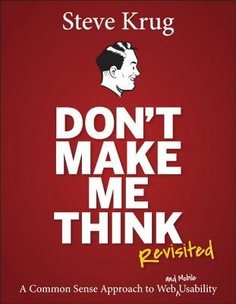 Don't Make Me Think, Revisited
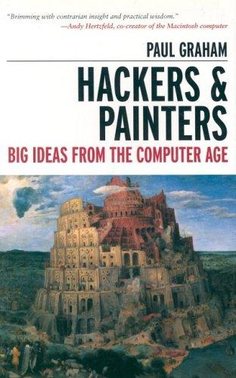 Hackers & Painters
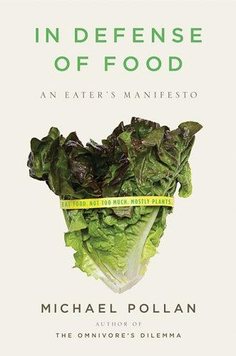 In Defense of Food
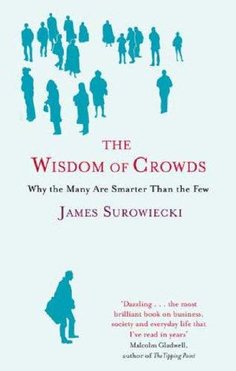 The Wisdom of Crowds
 Talking Dirty with the Queen of Clean
 Jamie's Food Revolution
 Jamie's Italy
 Read This If You Want to Take Great Photographs
 Starter Vegetable Gardens