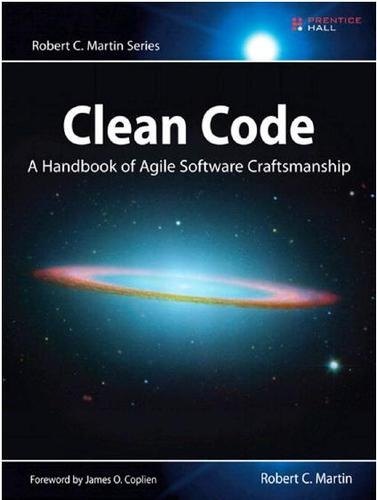
A practical guide to writing code that other people can read, understand and change, illustrated through detailed examples and refactoring case studies
Code that others can read
Robert C. Martin argues that working code is not enough: code must also be clean, meaning readable, simple and easy to change. He covers the habits that make the difference, from choosing meaningful names and writing small functions to handling errors, writing comments sparingly, structuring classes and keeping tests clean. Later chapters walk through real refactoring examples, and the book ends with a catalogue of common warning signs in code.
Who will enjoy it
Working programmers who want to write more maintainable code, students moving from exercises to real projects, and team leads shaping coding standards.
What you will get
A practical guide to the habits behind readable, maintainable software, with detailed examples of turning messy code into clear, well-structured programs.
Clean Code Facts: Pages, Genre and Setting
Genre
Nonfiction · Software craftsmanship · Readable code · Refactoring
Length
464 pages · ≈ 14 h
More about this book
The book's influence on professional programming is hard to overstate, and its central idea is simple and persuasive: code is read far more often than it is written, so clarity matters. The early chapters on naming and functions are the most widely quoted, and many developers find that applying even a few of these principles makes their work noticeably easier to review and maintain.
The examples are written in Java, and the case studies, which take real code and improve it step by step, are where the book is most valuable. Working through them slowly teaches more than reading the rules. The closing list of code problems and their remedies makes a handy reference.
Not every recommendation has aged equally well. Some readers find the advice on very small functions too extreme, and some examples feel heavy on object-oriented style. The tone can be dogmatic. Read as a set of strong opinions to weigh rather than laws, it remains a valuable and thought-provoking guide. Reading it alongside colleagues and debating each chapter is a good way to weigh its stronger claims and decide which habits suit your own team. About 464 pages in the Prentice Hall paperback.
 The Pragmatic Programmer
 Eloquent JavaScript
 Automate the Boring Stuff with Python
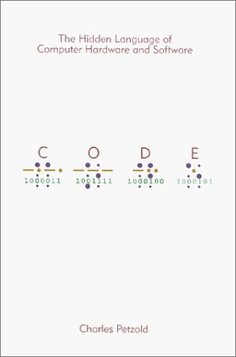 Code: The Hidden Language of Computer Hardware and Software
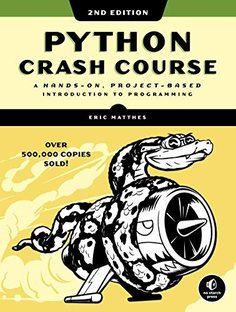 Python Crash Course
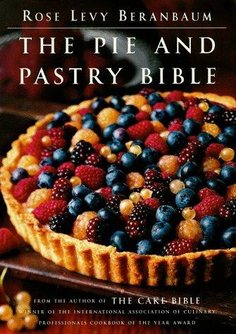 The Pie and Pastry Bible
 The Art of Fermentation
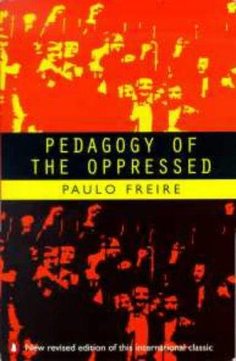 Pedagogy of the Oppressed
 Guns, Germs, and Steel
 Modernist Cuisine
 Beyond Good and Evil
 Modern Man in Search of a Soul