Is Little Women a True Story? Louisa May Alcott and Her Sisters
Anna, Louisa, Lizzie and May: the real family behind the Marches
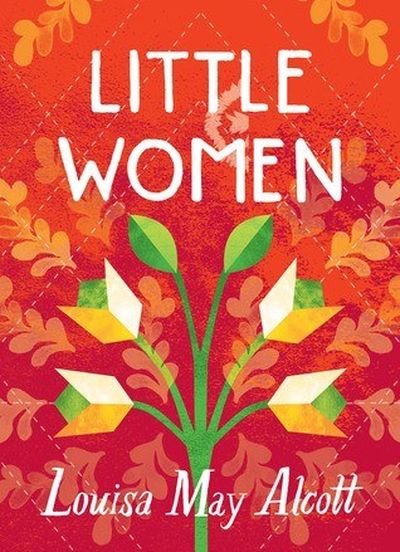
Alcott was frank about where her girls came from. When her publisher asked for a story about young women, she wrote in her journal that she had never liked girls or known many besides her sisters. So she wrote about her sisters.
The Marches are close to the real Alcotts, but not identical, and the differences say as much as the similarities.
Little Women is partly true. Alcott based the four March sisters on herself and her own sisters: Meg on Anna, Jo on Louisa herself, Beth on Elizabeth, called Lizzie, and Amy on May.
Many events are real, from home theatricals to Lizzie's scarlet fever, but Alcott softened the family's poverty and gave the story endings that real life did not.
Jo and Louisa
Jo is Alcott's portrait of herself: the tomboy who wrote plays for her sisters, sold stories to newspapers, felt trapped by what girls were supposed to be and kept her temper only with a fight. The great difference is the ending. Louisa May Alcott never married. Readers demanded a wedding for Jo, and Alcott, half in protest, gave her an unromantic professor instead of the handsome boy next door.
↑ Back to the topMeg and Anna
Anna, the eldest, was gentle and domestic, and she acted in the family's home plays with Louisa. Through a local drama club she met John Bridge Pratt and married him in 1860, the model for Meg's wedding to John Brooke. After John's early death, Louisa's earnings from the books helped support Anna and her two sons.
↑ Back to the topBeth and Lizzie
The saddest part of the book is also the most true. Lizzie Alcott was shy, gentle and fond of music and home. In 1856 she caught scarlet fever while helping her mother care for a poor family, and although she survived, she never recovered her strength. She died in March 1858, at twenty-two. Alcott wrote Beth's long decline from her own memories of those two years.
↑ Back to the topAmy and May
May, the youngest, was an artist, and she was good enough to study in London and Paris and to show her paintings at the Paris Salon. Louisa helped pay for her studies. May married a Swiss businessman, Ernest Nieriker, and died in 1879, soon after the birth of her daughter, whom Louisa then helped to raise. Some readers think Amy was drawn a little harshly at first, a teasing portrait of a confident younger sister.
↑ Back to the topMarmee, Father and the real family
Marmee is close to Abba Alcott, a strong, warm woman who did charity work and held the family together. Father is where the book changes most. Bronson Alcott was a brilliant but impractical philosopher and teacher whose schemes kept the family poor, and they moved more than twenty times. In the book he is simply away at the war, which let Alcott write a family that was poor but never chaotic.
Orchard House in Concord, where Louisa wrote the book, is now a museum, and visitors can see the desk her father built for her between two windows.
↑ Back to the topWas Laurie a real person?
Alcott said Laurie was a blend of two young men. One was Ladislas Wisniewski, a Polish musician she met in Europe in 1865, whose charm and playful spirit she remembered fondly. The other was Alf Whitman, a friend from her youth who acted in plays with the sisters. Neither was a romance in the way Jo and Laurie's friendship is, which is part of why Alcott let Jo say no.
↑ Back to the topThe Marches and the Alcotts
| In the book | In real life | How close? |
|---|---|---|
| Meg March | Anna Alcott Pratt | Close: married John Pratt, the model for John Brooke |
| Jo March | Louisa May Alcott | Close in spirit; Louisa never married |
| Beth March | Elizabeth (Lizzie) Alcott | Very close: scarlet fever, early death in 1858 |
| Amy March | Abigail May Alcott Nieriker | Close: a real artist who studied in Europe |
| Marmee | Abigail (Abba) May Alcott | Close |
| Father | Bronson Alcott | Changed: in the book he is at war |
| Laurie | Mainly Ladislas Wisniewski and Alf Whitman | Inspired by two young men Louisa knew |
More about Little Women
Books Like Little Women
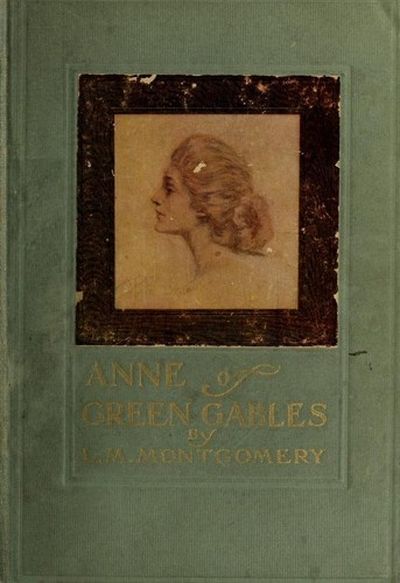 Anne of Green GablesL. M. MontgomeryAnne of the IslandL. M. Montgomery
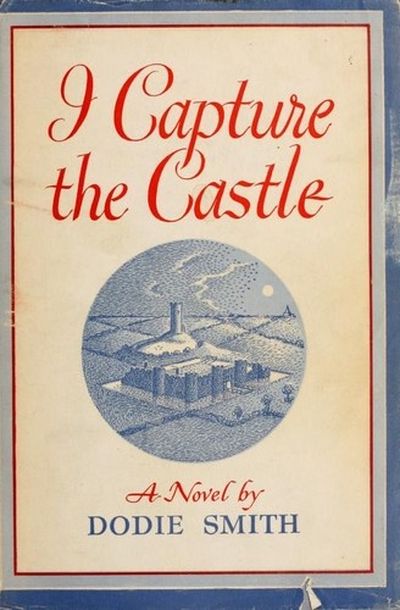 I Capture the CastleDodie Smith
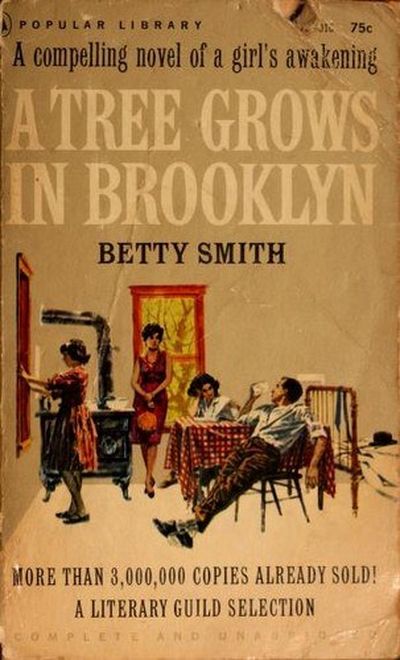 A Tree Grows in BrooklynBetty Smith
 Silas MarnerGeorge Eliot
 Anne of InglesideL. M. Montgomery
 Anne of AvonleaL. M. Montgomery
 Wives and DaughtersElizabeth Gaskell
This guide discusses the whole plot, including the ending.