Hamlet's Soliloquies Explained, Including To Be or Not to Be
Seven times Hamlet is alone with the audience, and what he tells us
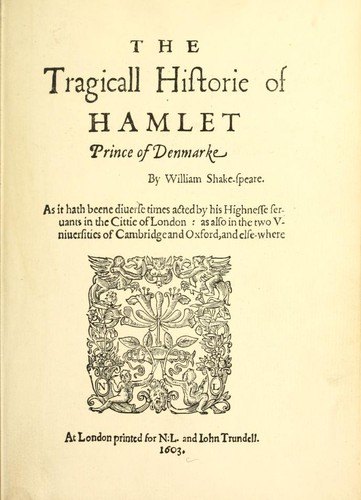
A soliloquy is a speech a character makes alone on stage, thinking aloud. Hamlet has seven, and the most famous, To be or not to be in Act 3, Scene 1, is a meditation on whether it is better to endure life's suffering or to end it, and why fear of the unknown makes people hesitate.
Together the soliloquies show Hamlet moving from grief, to anger at himself, to a calmer acceptance.
All seven soliloquies at a glance
| Act and scene | Opens with | What it is about |
|---|---|---|
| 1.2 | O that this too too solid flesh | Grief and disgust at his mother's quick remarriage |
| 1.5 | After the Ghost leaves | A vow to remember his father and nothing else |
| 2.2 | O what a rogue and peasant slave am I | Shame that an actor feels more than he does; the plan for the play |
| 3.1 | To be or not to be | Life, suffering, death and why we hesitate |
| 3.2 | Tis now the very witching time of night | Working himself up to confront his mother |
| 3.3 | Now might I do it | Finding Claudius alone and choosing not to strike |
| 4.4 | How all occasions do inform against me | Seeing Fortinbras's army and resolving to act |
Grief and disgust
In his first soliloquy Hamlet wishes his body would simply melt away. The world feels to him like an overgrown garden full of weeds. What sickens him most is not only his father's death but his mother's marriage to his uncle within two months, to a man he says is as different from his father as he himself is from Hercules. He ends by saying his heart must break, because he must hold his tongue. He does not know about the murder yet; he is already in despair before the ghost appears.
↑ Back to the topAnger at himself
An actor has just wept real tears while reciting a speech about the fall of Troy, and Hamlet is ashamed. If that man can feel so much for a story, why has he, with a real murdered father, done nothing but talk? He curses himself, then calms down and reasons: the ghost might be a trick, so he needs proof. The speech ends with his plan to catch the conscience of the king with a play.
↑ Back to the topTo be or not to be, in plain English
This is the most quoted speech in English, and it is quieter and more general than people expect. Hamlet asks whether it is nobler to put up with all the blows of fortune or to fight against them and so end them. He compares death to sleep, which sounds peaceful, until he wonders what dreams might come in that sleep.
That uncertainty, he says, is why people go on bearing the weight of life: injustice, heartbreak, slow courts, insolent officials. Fear of the unknown country from which no traveller returns makes cowards of everyone, and too much thinking drains the colour from bold plans. The speech is about all humanity as much as about Hamlet, and it explains in a few lines why he keeps delaying.
↑ Back to the topThe midnight speech and the moment he does not strike
After the play has exposed Claudius, Hamlet says it is the hour when graves open and he could do terrible things, but he tells himself to be cruel to his mother only in words. Moments later he comes upon Claudius alone, trying in vain to feel true remorse. Hamlet raises his sword and stops, reasoning that killing the king in such a moment would be a kindness, not a revenge. The irony, which the audience learns right after, is that Claudius has failed to feel any remorse at all.
↑ Back to the topDoes Claudius have a soliloquy too?
Yes, just before that moment. Claudius admits to the audience that his crime smells to the skies, the oldest crime of all, a brother's murder. He wants forgiveness but cannot give up what the murder won him: the crown, his ambition and the queen. It is the only point at which the play confirms, beyond any doubt, that the ghost told the truth.
↑ Back to the topThe last soliloquy
On his way to England, Hamlet sees Fortinbras leading an army to fight over a scrap of land not worth the cost. Thousands will die for a fantasy of honour, while he, with a father killed and a mother stained, has done nothing. He ends by vowing that from now on his thoughts will be bloody or worth nothing. This speech appears only in the Second Quarto, so some productions and films leave it out. After it, Hamlet never speaks a soliloquy again; when he returns in Act 5, he seems readier to let events come to him.
↑ Back to the topMore about Hamlet
Books Like Hamlet
 The PearlJohn Steinbeck
 The Scarlet LetterNathaniel Hawthorne
 Romeo and JulietWilliam Shakespeare
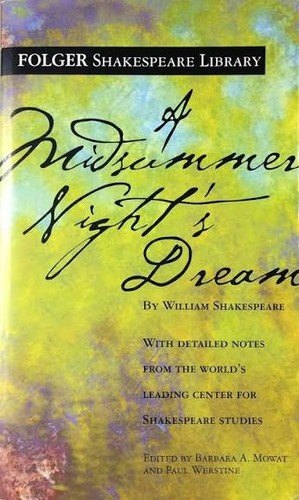 A Midsummer Night's DreamWilliam Shakespeare
 Wuthering HeightsEmily Brontë
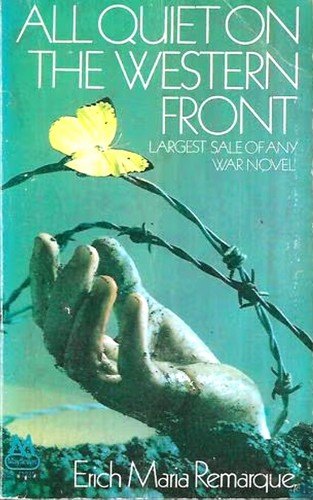 All Quiet on the Western FrontErich Maria Remarque
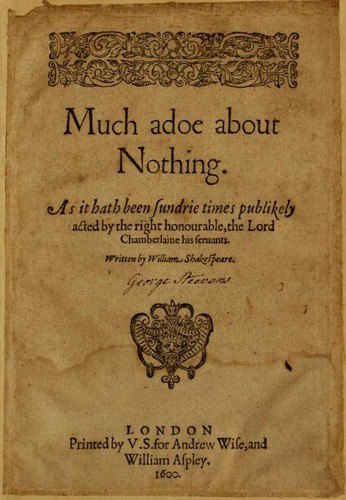 Much Ado About NothingWilliam Shakespeare
 Animal FarmGeorge Orwell
This guide discusses the whole plot, including the ending.