Dracula Movies: From Bela Lugosi and Coppola to Dracula: A Love Tale
A century of the Count on screen, from a stolen silent film to Luc Besson
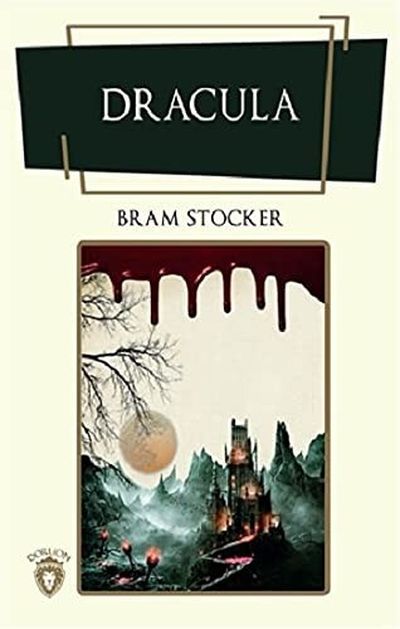
Count Dracula may be the most filmed character in history after Sherlock Holmes. He has been silent, Hungarian, British, comic, romantic and a monster with rat teeth, and every few years a new director decides the story needs telling again.
Some versions follow Stoker closely, others keep only his name, and a few have shaped the Count more than the novel itself.
Dracula on screen: the main films
| Year | Film | Dracula played by | Director |
|---|---|---|---|
| 1922 | Nosferatu | Max Schreck (as Count Orlok) | F. W. Murnau |
| 1931 | Dracula | Bela Lugosi | Tod Browning |
| 1931 | Drácula (Spanish-language version) | Carlos Villarías | George Melford |
| 1958 | Horror of Dracula (Dracula in the UK) | Christopher Lee | Terence Fisher |
| 1979 | Nosferatu the Vampyre | Klaus Kinski | Werner Herzog |
| 1979 | Dracula | Frank Langella | John Badham |
| 1992 | Bram Stoker's Dracula | Gary Oldman | Francis Ford Coppola |
| 1995 | Dracula: Dead and Loving It | Leslie Nielsen | Mel Brooks |
| 2014 | Dracula Untold | Luke Evans | Gary Shore |
| 2023 | Renfield | Nicolas Cage | Chris McKay |
| 2024 | Nosferatu | Bill Skarsgård (as Orlok) | Robert Eggers |
| 2025 | Dracula: A Love Tale | Caleb Landry Jones | Luc Besson |
The film that was not allowed to exist
The first great Dracula film is not called Dracula at all. In 1922 the German director F. W. Murnau made Nosferatu without buying the rights, changed the Count's name to Orlok and moved the story to a German town. Max Schreck played him bald, with rat-like teeth and long fingers, and that image still haunts horror films today.
The disguise did not fool anyone. Bram Stoker's widow, Florence, sued, and a court ordered the copies destroyed. Enough prints survived around the world that the film is now treated as a classic, and a century later Robert Eggers remade it with Bill Skarsgård as Orlok.
↑ Back to the topBela Lugosi and the Universal Dracula of 1931
Universal's Dracula, directed by Tod Browning, was the first official adaptation, and it was based as much on the stage play as on the novel. Bela Lugosi had already played the Count on Broadway in 1927, and his slow Hungarian accent, evening cape and stare into the camera became the Dracula most people picture.
The same sets were used at night by a second crew to shoot a Spanish-language version for Latin American audiences, with Carlos Villarías in the role. Many film historians think that night-shift version is the better-looking film.
↑ Back to the topChristopher Lee and the Hammer years
In 1958 the British studio Hammer brought the Count back in color. Christopher Lee played him as tall, silent and frightening, and Peter Cushing played a quick, determined Van Helsing. The film was a hit, and Lee returned to the role many times over the next fifteen years, which made him the defining Dracula for a whole generation.
↑ Back to the topBram Stoker's Dracula: the big Hollywood version
Francis Ford Coppola put the author's name in the title to promise a faithful version. It does use far more of the book than earlier films: the letters and diaries, the journey to the castle, Lucy's three suitors and the chase back to Transylvania. Gary Oldman plays the Count, Winona Ryder plays Mina, Keanu Reeves plays Jonathan Harker and Anthony Hopkins plays Van Helsing.
Its biggest change is a romance the novel does not have. The film opens in the fifteenth century and makes Mina the reborn love of the Count's lost wife, which turns a horror story into a tragic love story. It won three Oscars, including costume design and makeup.
↑ Back to the topLuc Besson's Dracula: A Love Tale
Luc Besson's version takes Coppola's romantic idea even further. Caleb Landry Jones plays a prince who loses his wife Elisabeta and spends four hundred years hoping to find her again. Zoë Bleu plays both Elisabeta and Mina, and Christoph Waltz plays the hunter on his trail. Danny Elfman wrote the music, and the film runs just over two hours.
It opened in France on 30 July 2025 and in US cinemas on 6 February 2026. If you want the story Stoker actually wrote, this is the least faithful film on the list; if you want a lavish gothic romance, it is the newest one.
↑ Back to the topWhich Dracula movie is closest to the book?
No film keeps everything. Coppola's 1992 film follows the plot most closely, even with its added love story. The 1977 BBC television version with Louis Jourdan is often named by readers as the most faithful screen version of all, because it has the time to keep the diaries, the Whitby chapters and the final chase.
For a first watch, many people pair the 1931 Lugosi film for the classic image with Coppola's film for the full story.
↑ Back to the topThe best-known Dracula films are Nosferatu (1922), Dracula (1931) with Bela Lugosi, Hammer's Horror of Dracula (1958) with Christopher Lee, Bram Stoker's Dracula (1992) by Francis Ford Coppola and, most recently, Luc Besson's Dracula: A Love Tale.
Besson's film opened in France in July 2025 and reached US cinemas in February 2026, with Caleb Landry Jones as the Count.
More about Dracula
Books Like Dracula
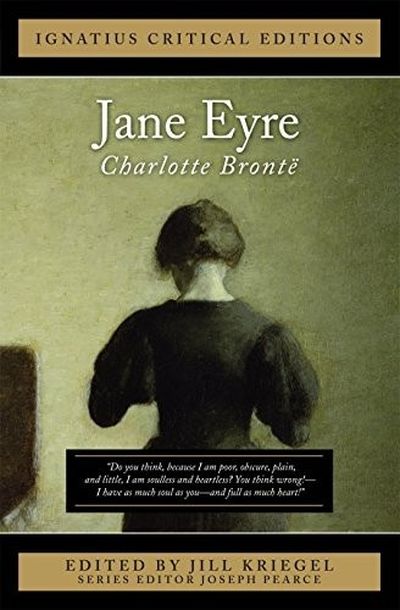 Jane EyreCharlotte Brontë
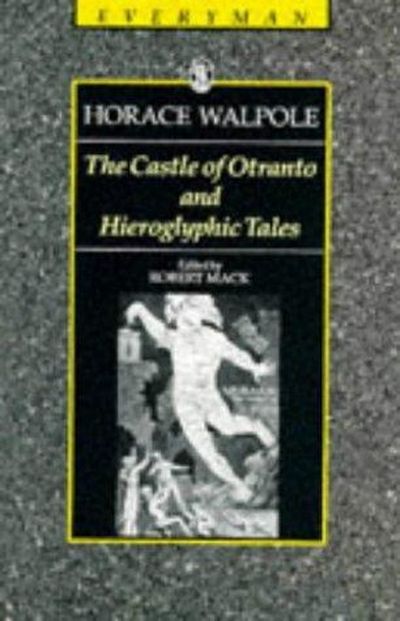 The Castle of OtrantoHorace Walpole
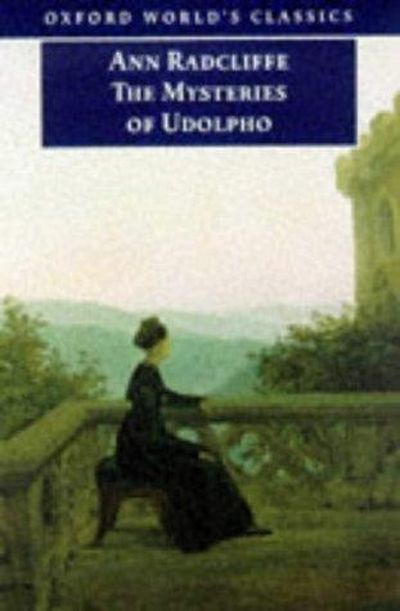 The Mysteries of UdolphoAnn Radcliffe
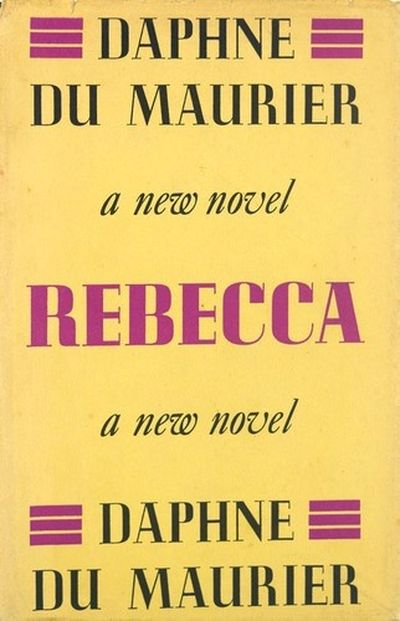 RebeccaDaphne du Maurier
 Heart of DarknessJoseph Conrad
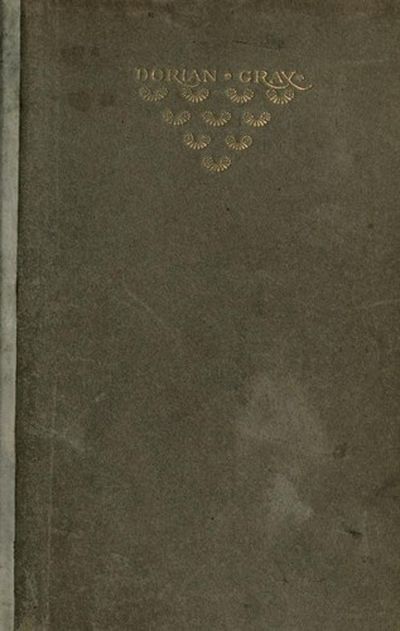 The Picture of Dorian GrayOscar Wilde
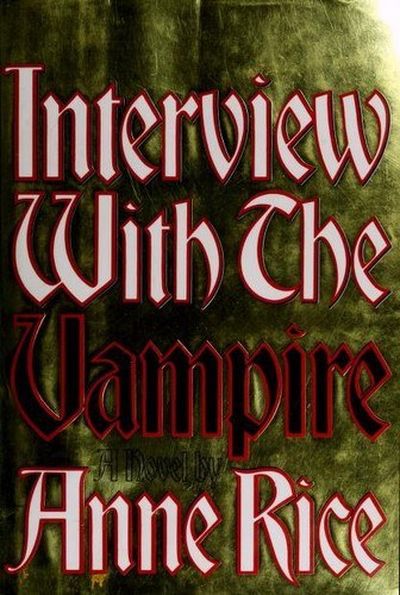 Interview with the VampireAnne Rice
Written by Tori Books for readers and students.