Was Dracula Real? Vlad the Impaler and the Real Story
A fifteenth-century prince, a name, and a link that came later
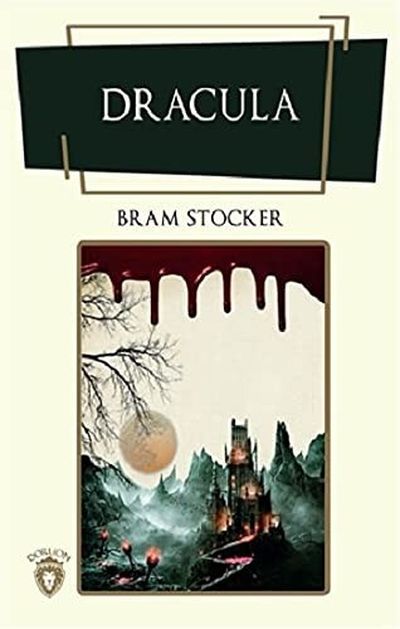
Count Dracula is fictional, but his name was real. It belonged to Vlad III, a fifteenth-century prince of Wallachia, now part of Romania, who signed himself Drăculea, meaning son of Dracul.
Bram Stoker borrowed the name from a history book. His notes show almost nothing else of Vlad's life, and the idea that the Count is Vlad was made popular decades after the novel.
The real Dracula in six answers
| Question | Short answer |
|---|---|
| Was Count Dracula a real person? | No. He is a character invented by Bram Stoker in 1897. |
| Who was the real Dracula? | Vlad III, prince of Wallachia, born around 1431. |
| What does Dracula mean? | Son of Dracul, from his father's title, which means dragon. |
| Why was Vlad called the Impaler? | For the cruel punishments he used on enemies. |
| Was Vlad a vampire? | No. Vampire legends and Vlad were joined later, mainly through the novel. |
| Did Stoker base the Count on Vlad? | He took the name. His notes say little else about Vlad. |
Who was Vlad III?
Vlad was born around 1431, most likely in Sighișoara in Transylvania, where a house said to be his birthplace still stands. As a boy he and his younger brother were sent to the Ottoman court as hostages to guarantee their father's loyalty, and he grew up learning the empire he would later fight.
He ruled Wallachia three times: briefly in 1448, then from 1456 to 1462, and again in 1476, shortly before he was killed in battle. Between those reigns he spent years as a prisoner of the Hungarian king.
↑ Back to the topWhere does the name Dracula come from?
Vlad's father, Vlad II, was admitted to the Order of the Dragon, a knightly order set up by the emperor Sigismund to resist the Ottoman advance. From then on he was called Dracul, the dragon. His son used the form Drăculea, son of Dracul, and that is the name Western writers turned into Dracula.
In later Romanian, dracul also came to mean something like the fiend, which helped the name sound sinister to anyone who heard it.
↑ Back to the topWhy was he called Vlad the Impaler?
His Romanian nickname, Țepeș, means the Impaler, and it comes from the punishment he used on prisoners, traitors and invaders. Accounts printed in Germany soon after his reign made him a monster of legend, though some of those stories were written by his enemies. In Romania he is also remembered as a tough ruler who defended the country and punished corruption, and statues of him still stand there.
↑ Back to the topWhat did Bram Stoker know about Vlad?
Very little, judging by his working notes, which are kept at the Rosenbach museum in Philadelphia. In 1890, on holiday in Whitby, Stoker read an 1820 book by William Wilkinson about Wallachia and Moldavia and copied a line saying Dracula meant the fiend in the local language. Until then his villain had been called Count Wampyr.
In the novel the Count mentions his ancestors fighting the Turks, which fits Vlad's family, but the book never names Vlad, never mentions the Impaler and places the Count in Transylvania rather than Wallachia.
↑ Back to the topHow did Vlad and Dracula become linked?
The famous connection is largely modern. In 1972 two historians, Raymond McNally and Radu Florescu, published In Search of Dracula, which argued strongly that Stoker's Count was Vlad. The book was a bestseller, and films such as Coppola's 1992 version and Dracula Untold in 2014 made the idea part of the story.
Many scholars, notably Elizabeth Miller, have since pointed out how thin the evidence is. The fair answer is that Stoker borrowed a real prince's name, and later writers borrowed the rest.
↑ Back to the topMore about Dracula
Books Like Dracula
 Jane EyreCharlotte Brontë
 The Castle of OtrantoHorace Walpole
 The Mysteries of UdolphoAnn Radcliffe
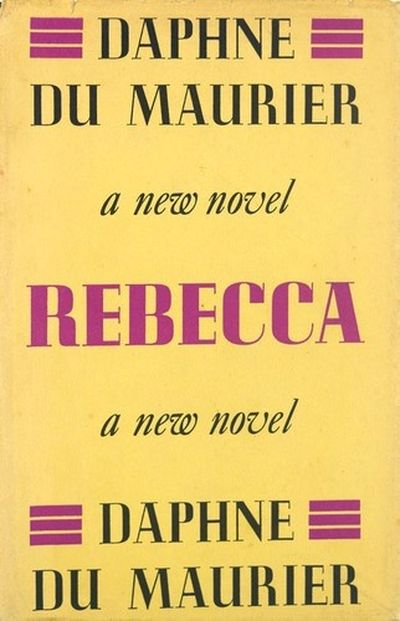 RebeccaDaphne du Maurier
 Heart of DarknessJoseph Conrad
 The Picture of Dorian GrayOscar Wilde
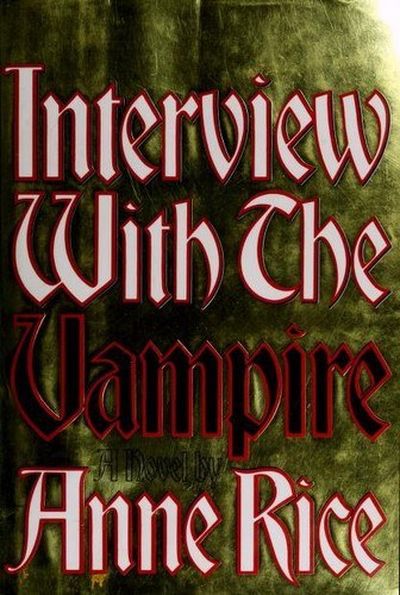 Interview with the VampireAnne Rice
Written by Tori Books for readers and students.