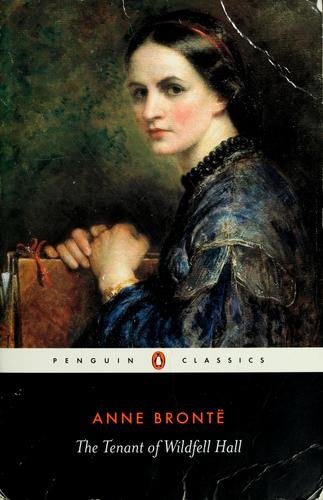
A mysterious young widow moves into a crumbling old house, and her secret diary reveals why
A woman who walked away
When the beautiful, guarded Helen Graham moves into the half-ruined Wildfell Hall with her young son, the gossiping neighbors are scandalized. Gilbert Markham, a young farmer, is first offended and then drawn to her, and he refuses to believe the rumors. To explain herself, Helen gives him her diary, which tells the story of her marriage and the brave choice she made to protect her child.
Who will enjoy it
Readers of the Brontës and Victorian fiction who want a bold, absorbing story about marriage and courage.
What you will get
A powerful, surprisingly modern classic about a woman claiming her freedom, told through letters and a diary, from the boldest of the three Brontë sisters.
The Tenant of Wildfell Hall Facts: Pages, Genre and Setting
Genre
Classics · Victorian · Marriage · Independence
Length
576 pages · ≈ 17 h
More about this book
The story opens with letters from Gilbert Markham to a friend, looking back on events years earlier. In a quiet rural parish, a widow calling herself Mrs. Graham moves into Wildfell Hall, a gloomy old mansion, with her little son, Arthur. She paints for a living, keeps to herself and holds firm opinions about raising her boy, and the neighbors, including the flirtatious Eliza Millward, whom Gilbert half-courts, soon whisper about her. Gilbert's feelings grow anyway, until a misunderstanding makes him believe the worst.
In answer, Helen hands him her journal, which forms the central part of the novel. Years before, as a lively, idealistic young woman, she married the charming Arthur Huntingdon, believing her love could reform him. Instead he grew more reckless and cruel, surrounding himself with idle friends, drinking heavily and humiliating her, and she watched him begin to shape their son in his own image. At a time when a married woman had almost no legal rights, Helen made a daring decision to leave. The final section returns to Gilbert and the consequences of what he has learned.
Long and intense, but deeply moving. About 576 pages in Penguin Classics, edited by Stevie Davies.
 Jane Eyre
 Wuthering Heights
 Mansfield Park
 To the Lighthouse
 The Golden Bowl
 The Portrait of a Lady
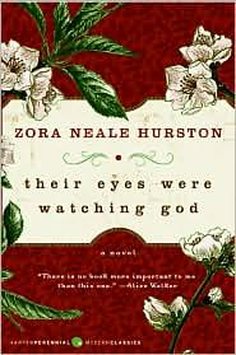 Their Eyes Were Watching God
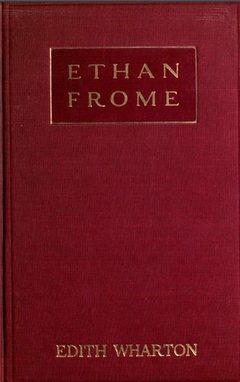 Ethan Frome
 Lord Jim
 The Rainbow
 The Alexandria Quartet