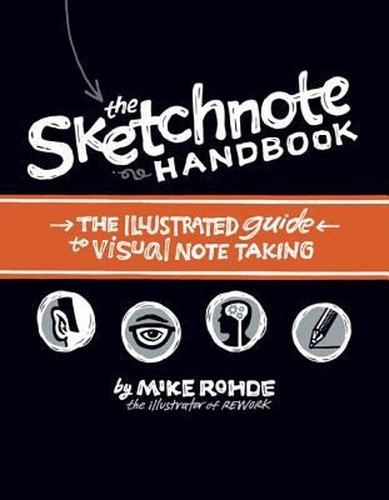
A friendly, fully illustrated guide to sketchnoting, the practice of taking notes with words, simple drawings and structure
Ideas, not art
Sketchnotes are visual notes made of handwriting, simple drawings, arrows, boxes and bold type, created while listening to a lecture, meeting, book or podcast. Mike Rohde, a designer who popularized the practice, explains that they are not about artistic talent but about capturing ideas in a way that makes them easier to understand and remember. The whole book is drawn by hand, so every page is itself an example of the method.
Who will enjoy it
Students, professionals and anyone who sits through lectures or meetings and wants to remember more and enjoy note-taking again.
What you will get
A friendly, fully illustrated guide that shows anyone how to take visual notes with simple drawings, handwriting and a few clever tricks.
The Sketchnote Handbook Facts: Pages, Genre and Setting
Genre
Nonfiction · Visual note taking · Drawing basics · Creativity
Length
224 pages · ≈ 7 h
More about this book
Rohde explains why sketchnotes work, then walks through the process: listening for the big ideas, choosing a structure for the page, and combining text with simple shapes and icons. He shows how to draw basic objects and people using just five elements, such as circles, squares, triangles, lines and dots, and how to develop a personal visual vocabulary. Short exercises encourage readers to practice right away.
The most encouraging message is that you do not need to be able to draw well. The book is full of examples from many different sketchnoters, some polished and some very rough, all effective. It is fast to read, inspiring and immediately useful, whether you want better notes in class, livelier meeting records or a more creative way to read books.
People who already doodle in the margins may find the drawing lessons basic, and the book focuses on paper rather than tablets. As an introduction, though, it is excellent. Keep a pen nearby while reading. It rewards actually trying the exercises rather than just reading about them. About 224 pages in the Peachpit paperback.
 Show Your Work!
 Steal Like an Artist
 Keys to Drawing
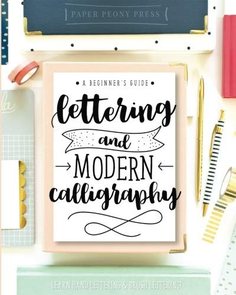 Lettering and Modern Calligraphy
 The Flavour Thesaurus
 Imagine
 Six Thinking Hats
 Team Dog
 The Organically Clean Home
 The Puppy Primer
 Let It Rot!
 The Drunkard's Walk