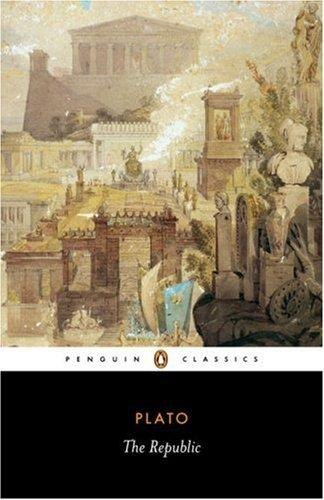
Socrates and his friends ask what justice is and imagine an ideal city in one of the founding works of Western philosophy
What is justice?
At a gathering in the port of Piraeus near Athens, Socrates falls into conversation with friends and a few challengers about a simple question: what is justice, and is a just person happier than an unjust one? The answers offered at first seem obvious, but under his questioning each falls apart, and the discussion grows into a sweeping inquiry into human nature, society and knowledge.
Who will enjoy it
Readers interested in philosophy, politics and the history of ideas, and students meeting Plato for the first time.
What you will get
A foundational work of philosophy, still remarkably readable, that asks what justice is and how we should live and be governed.
The Republic Facts: Pages, Genre and Setting
Genre
Classics · Philosophy · Justice · Ideal state
Length
480 pages · ≈ 14 h
More about this book
The sharp-tongued Thrasymachus argues that justice is simply whatever benefits the stronger, and Plato's brothers Glaucon and Adeimantus press Socrates further, using the story of a ring that makes its wearer invisible to ask whether anyone would be just if they could never be caught. To answer, Socrates builds an imaginary ideal city, with workers, guardians and rulers, and compares it to the human mind, which he divides into reason, spirit and appetite.
The dialogue covers education, art, censorship, the equality of men and women among the guardians, and the famous claim that philosophers should rule. It contains the Allegory of the Cave, in which prisoners mistake shadows for reality, and the theory that the world we perceive is only a reflection of unchanging Forms. Many of its proposals, such as abolishing private family life for the rulers, have troubled readers for centuries, and the book has been praised and attacked ever since. A good introduction and notes help modern readers.
Challenging but rewarding, a book whose questions about justice, power, education and truth still shape debates today and reward slow, careful reading. About 480 pages in the Penguin Classics translation by Desmond Lee.
 Meditations
 Sophie's World
 The Story of Art
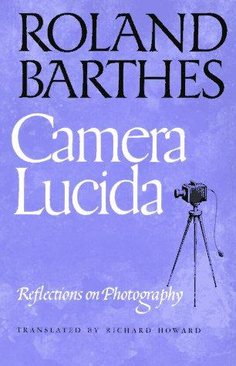 Camera Lucida
 Thus Spoke Zarathustra
 The Ambassadors
 Lord Jim
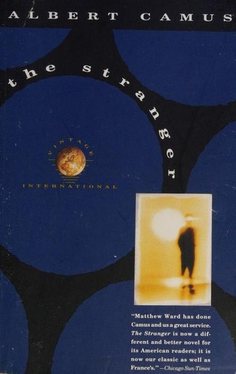 The Stranger
 The Brothers Karamazov
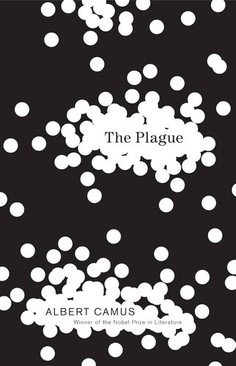 The Plague
 The Pilgrim's Progress
 Point Counter Point