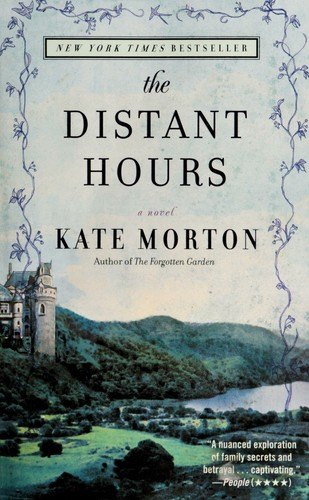
A letter lost for half a century leads a London editor to a crumbling castle where three elderly sisters guard the secrets of the war years
A letter delivered fifty years late
Edie Burchill works for a small London publisher and has never been close to her reserved mother, Meredith. One Sunday a letter arrives for Meredith, posted in 1941 and lost in the mail ever since, and Edie sees her mother cry for the first time. The letter came from Milderhurst Castle in Kent, where Meredith was sent as a young evacuee during the Blitz. Edie learns that her mother once lived with the Blythe family, and that she never spoke about it.
Who will enjoy it
Readers who love gothic atmosphere, old houses, family secrets and slow, immersive historical mysteries.
What you will get
An atmospheric gothic mystery about a crumbling castle, three reclusive sisters and a wartime secret waiting half a century to be uncovered.
The Distant Hours Facts: Pages, Genre and Setting
Genre
Historical Fiction · Gothic castle · Sisters · Second World War
Length
576 pages · ≈ 17 h
More about this book
The castle is still home to the three Blythe sisters: the elderly twins Percy and Saffy, and their younger sister Juniper, whose mind was broken on the night in 1941 when her fiancé failed to arrive. Their father wrote a famous children's book about a mysterious creature that rises from the moat, and its shadow still hangs over them. Edie's visit and later return lead her into the family's history and into the story of what really happened to her mother there.
Morton excels at atmosphere, and Milderhurst, with its dusty corridors, overgrown gardens and ghost-story aura, is unforgettable. The relationships between the sisters, bound by love, duty and resentment, are the emotional heart of the novel, and the revelations about their past are genuinely surprising and sad.
Like many of Morton's books, it takes a long time to get going and includes some slow passages that could have been trimmed. Readers who prefer brisk plotting should look elsewhere, but patient readers will be rewarded with a haunting conclusion. It is best read slowly, on long evenings. About 576 pages in the Washington Square Press paperback.
 The Clockmaker's Daughter
 The Forgotten Garden
 Rebecca
 Jane Eyre
 The House at Riverton
 The Lake House
 The Secret Keeper
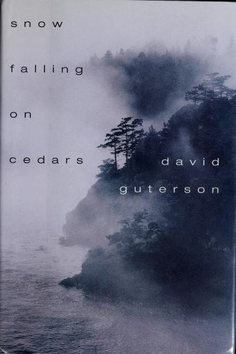 Snow Falling on Cedars
 The Thorn Birds
 The English Patient
 A Spell of Winter
 Brooklyn