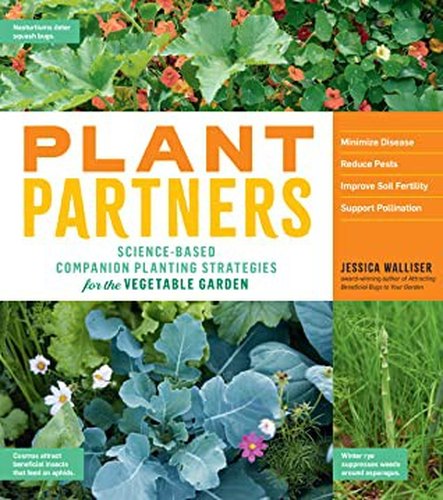
A science-based guide to companion planting that separates garden folklore from plant partnerships that actually work
Companion planting, tested
Companion planting, the practice of growing certain plants together for mutual benefit, is surrounded by folklore, and much of the advice passed between gardeners has little evidence behind it. Horticulturist Jessica Walliser takes a fresh look at the subject, drawing on recent scientific research to explain which plant partnerships genuinely help a vegetable garden, and why. The book won an award from the American Horticultural Society.
Who will enjoy it
Vegetable gardeners who want to garden more naturally and want evidence, not folklore, behind their choices.
What you will get
A practical, science-based guide to companion planting that explains which plant partnerships really help your vegetable garden grow, and exactly why.
Plant Partners Facts: Pages, Genre and Setting
Genre
Nonfiction · Companion planting · Vegetable garden · Garden science
Length
224 pages · ≈ 7 h
More about this book
The book is organized by the goal you want to achieve. Sections cover suppressing weeds with cover crops and living mulches, improving soil, reducing pests with trap crops and repellent plants, attracting beneficial insects, preventing disease and improving pollination. For each strategy, Walliser explains the science, describes specific plant combinations and offers practical instructions for using them in a home garden.
Walliser writes clearly and enthusiastically, and she is honest about what research shows and what remains uncertain. The result is a book that respects both the gardener's experience and the scientist's evidence. Many readers will come away with a new understanding of how plants interact, and with plenty of ideas to try next season. The photographs and illustrations are attractive and helpful.
Some of the scientific detail may be more than casual gardeners want, and the recommendations are geared mainly toward temperate climates. For anyone curious about why certain plants grow better together, though, it is an excellent guide. It is the kind of book you return to every spring when planning the beds. About 224 pages in the Storey paperback.
 Vertical Gardening
 Veg in One Bed
 Rodale's Ultimate Encyclopedia of Organic Gardening
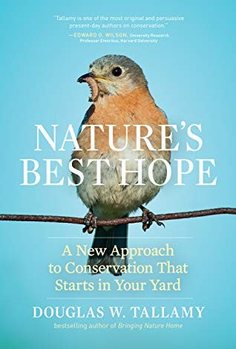 Nature's Best Hope
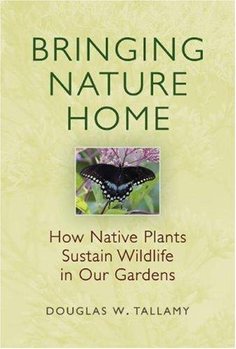 Bringing Nature Home
 Between the World and Me
 The Goal
 Cosmos
 Against the Gods
 The Immortal Life of Henrietta Lacks
 A People's History of the United States