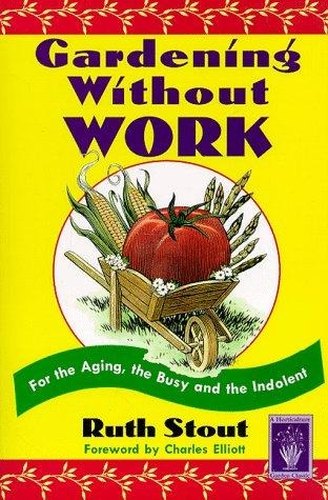
A witty classic of easy gardening, in which Ruth Stout explains how a permanent layer of hay mulch did away with ploughing, weeding and most of the work
Throw down the hay
Ruth Stout gardened in Connecticut for decades, and one spring she grew tired of waiting for someone to plough her plot. Instead, she covered the soil with a thick, year-round layer of hay and other mulch and simply planted into it. The weeds stopped, the soil stayed moist and rich, and the work almost disappeared. In this book she explains her method season by season, with plenty of stories, opinions and gentle teasing of more conventional gardeners.
Who will enjoy it
Busy or older gardeners, beginners intimidated by digging and weeding, and anyone interested in no-dig and mulch-based methods.
What you will get
A funny, opinionated classic about growing vegetables under a permanent layer of mulch, with no digging and very little weeding, written by a gardener with decades of experience.
Gardening Without Work Facts: Pages, Genre and Setting
Genre
Nonfiction · Mulch gardening · No-dig method · Gardening humour
Length
214 pages · ≈ 6 h
More about this book
Long before no-dig gardening became fashionable, Stout was practising it in her own unconventional way, and her enthusiasm is infectious. Her method is simple: keep the soil covered, add more mulch as it breaks down, and plant directly into it. She explains how this saves water, builds soil and frees the gardener from the heaviest chores, with plenty of practical detail on spacing, timing and individual crops.
What makes the book a pleasure is her voice. She is funny, stubborn and refreshingly frank, cheerfully admitting her mistakes and poking fun at experts. The stories about neighbours, visitors and her own experiments make it as enjoyable to read as it is useful.
The advice reflects one garden in one climate, and some readers find that deep hay mulch attracts slugs or keeps soil too cold in spring. Modern sources on no-dig gardening go into more scientific detail. As an inspiring, good-humoured introduction to working less and growing more, it remains a classic. Gardeners who try even a small mulched bed for one season will quickly see whether the method suits their own soil and climate. About 214 pages in the Lyons Press paperback; the Norton Creek reprint runs 226.
 No Dig
 The One-Straw Revolution
 Veg in One Bed
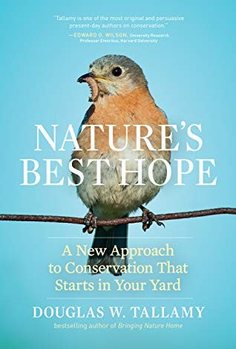 Nature's Best Hope
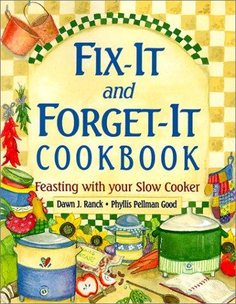 Fix-It and Forget-It Cookbook
 Cravings
 Nigella Express
 Sally's Cookie Addiction
 Half Baked Harvest Super Simple
 The Cake Mix Doctor
 Baked: New Frontiers in Baking
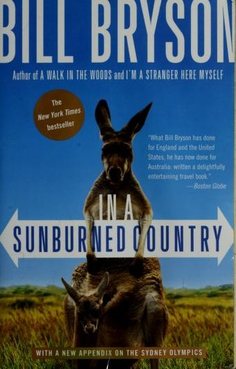 In a Sunburned Country