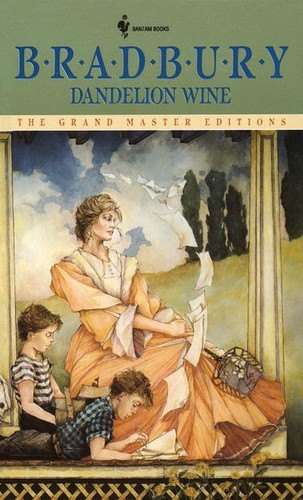
In the summer of 1928, a twelve-year-old boy in a small Illinois town suddenly realizes that he is alive, and sets out to record every moment
Summer in a bottle
It is June 1928 in Green Town, Illinois, and Douglas Spaulding is twelve. On a walk in the woods with his father and younger brother Tom, he is struck by a startling thought: he is alive, really alive, and someday he will not be. He decides to keep a tablet of discoveries and rituals so that nothing about this summer is lost, while his grandfather presses the season's dandelions into wine, one bottle for every day.
Who will enjoy it
Readers who love lyrical, nostalgic writing about childhood and summer, and anyone who enjoyed Bradbury's other work beyond science fiction.
What you will get
A lyrical, bittersweet novel about one boy's magical summer in a small town, and his first awareness of how precious and fleeting life is.
Dandelion Wine Facts: Pages, Genre and Setting
Genre
Classics · Small-town summer · Childhood · Nostalgia
Length
256 pages · ≈ 8 h
More about this book
The book is less a single plot than a string of luminous episodes. Douglas buys a pair of new sneakers that make him feel he can run forever. An inventor builds a Happiness Machine that nearly wrecks his family. An old colonel, whom the boys call a time machine, tells them stories of the past. An elderly woman and a young reporter form a tender friendship across decades. And a frightening figure known as the Lonely One haunts the town's evenings and the children's imaginations.
Bradbury's prose here is at its most rhapsodic, full of images of lawns, porches, trolleys and lemonade, and it can be read almost like poetry. But the summer also brings loss: friends move away, beloved elders die, and Douglas learns that wonder and grief come together. The emotional honesty beneath the nostalgia is what keeps the book from feeling sentimental.
Readers who prefer a strong plot may find the episodic structure meandering, and the language can feel overripe in places. Read slowly, ideally on a summer evening, it is unforgettable. About 256 pages in the Bantam paperback.
 Fahrenheit 451
 The Martian Chronicles
 To Kill a Mockingbird
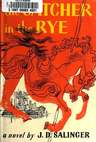 The Catcher in the Rye
 David Copperfield
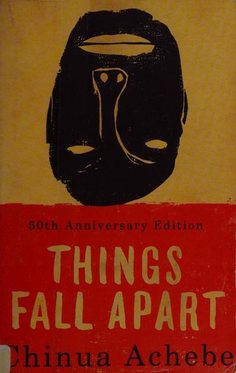 Things Fall Apart
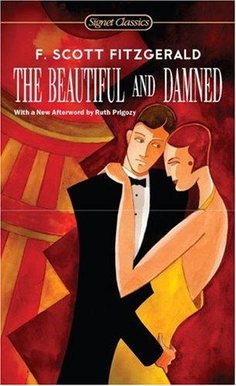 The Beautiful and Damned
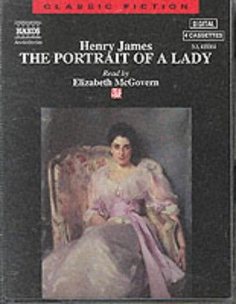 The Portrait of a Lady
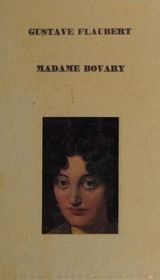 Madame Bovary
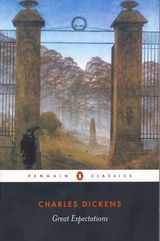 Great Expectations
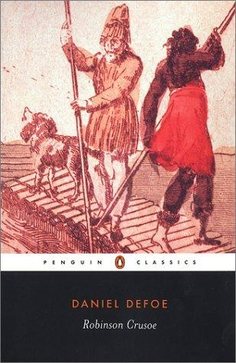 Robinson Crusoe
 Anna Karenina