Why Was Fahrenheit 451 Banned?
A book about burning books, quietly cut by its own publisher
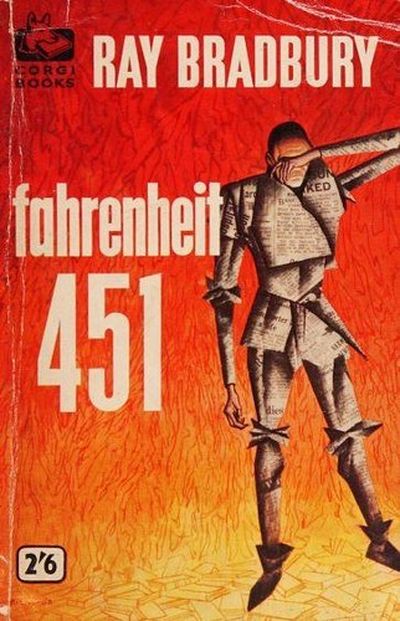
Fahrenheit 451 has been challenged mainly for profanity, for scenes in which books, including some of the world's most revered, are burned, and for being too dark for students. The strangest case was its own publisher: from 1967, Ballantine sold a cleaned-up school edition, and from 1973 to 1979 it was the only version in print, without Bradbury's knowledge.
When Bradbury found out, he demanded the original text be restored, and it has been in print ever since.
The censorship timeline
| Year | What happened |
|---|---|
| 1967 | Ballantine launches the Bal-Hi school edition, with about 75 passages changed |
| 1973 | The Bal-Hi text becomes the only paperback version sold |
| 1979 | Bradbury discovers the cuts, protests and writes a Coda about censorship |
| 1980 | The full text is restored |
| 1990s | A middle school in Irvine, California, hands out copies with words blacked out |
| 2006 | A Texas parent asks for it to be removed from a reading list |
How the publisher censored it
In 1967 Ballantine produced a special edition for high schools, called Bal-Hi. It removed mild swear words, softened a description of a drunk man, and changed other small details, around seventy-five passages in all. For several years both versions were sold, but from 1973 the publisher printed only the censored one. Readers and teachers who bought the book for the next six years were reading a censored novel about censorship.
↑ Back to the topWhat Bradbury did about it
In 1979 a friend showed Bradbury the changes. He was furious and insisted that the original text be restored, which it was the next year. He also wrote a Coda, now printed at the end of many editions. In it he says there is more than one way to burn a book, and that people with lit matches can be found everywhere. He made clear that no one, from any side, should cut his work to suit their own views.
↑ Back to the topWhy parents have challenged it
School challenges usually focus on the language, the violence of the burnings and the death of an old woman who chooses to stay with her books, and some on which books are burned. In most cases school boards have kept the novel, sometimes offering an alternative to students whose families object. The irony is not lost on anyone: few books make a better case against removing books from schools.
↑ Back to the topIs Fahrenheit 451 about censorship?
Yes, and also something wider. The novel shows a society in which people gave up books first, because they preferred fast, easy entertainment, and the government only took over later. Bradbury said in later years that he was worried less about officials banning books than about people no longer wanting to read them. That is why the book still feels current in a world of endless screens.
↑ Back to the topMore about Fahrenheit 451
Books Like Fahrenheit 451
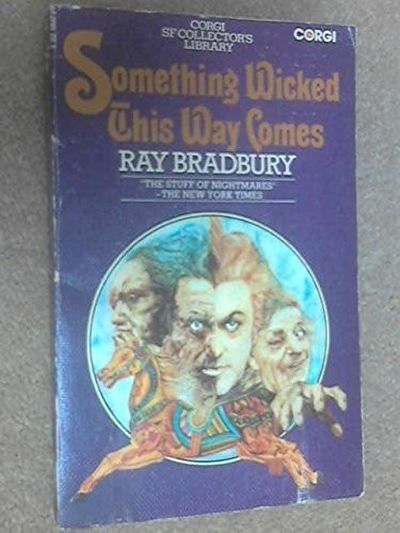 Something Wicked This Way ComesRay Bradbury
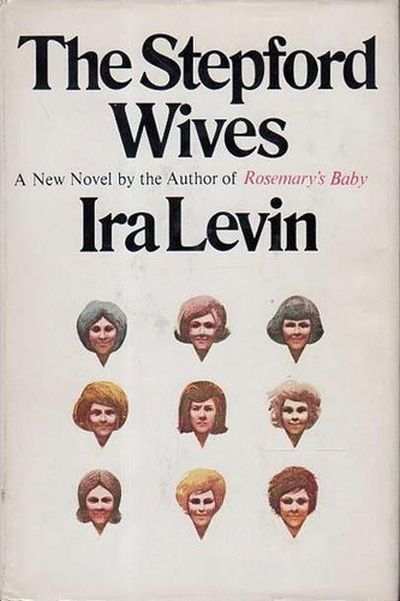 The Stepford WivesIra Levin
 Do Androids Dream of Electric Sheep?Philip K. Dick
 Brave New WorldAldous Huxley
 1984George Orwell
 A Clockwork OrangeAnthony Burgess
 Forever PeaceJoe Haldeman
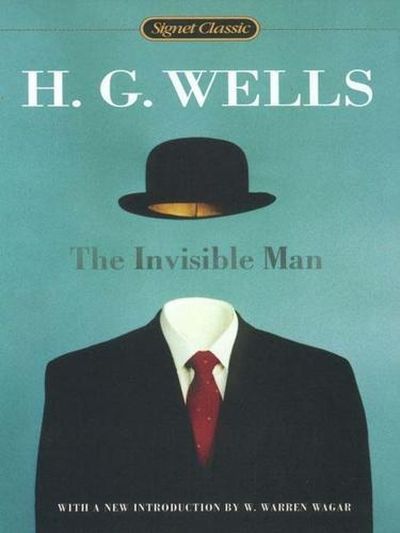 The Invisible ManH. G. Wells
This guide discusses the whole plot, including the ending.