Is Frankenstein the Monster? The Creature and His Name Explained
Why the creature has no name, what the book really says about him and where the bolts came from
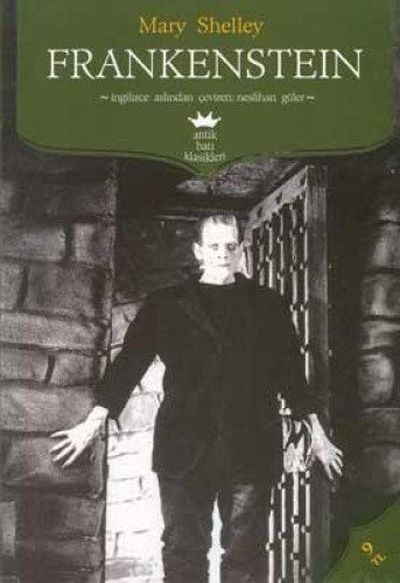
No. Frankenstein is the scientist, Victor Frankenstein. The being he builds is never given a name in Mary Shelley's novel. Victor calls him the creature, the wretch, the fiend or the daemon, and other people simply call him a monster.
Calling the creature Frankenstein is so common that usage guides now accept it, but it is not what the book does.
Why doesn't the creature have a name?
Victor runs from his creation the moment it opens its eyes. He never raises it, never teaches it and never names it. Shelley seems to have meant this as part of the tragedy: a name is the first thing a parent gives a child, and the creature gets nothing at all.
Readers notice the effect at once. Victor's words for him swing between creature and fiend depending on how afraid he is. The creature has no word for himself, only the insults of the people who see him.
↑ Back to the topIs the creature secretly called something?
You will sometimes read that the monster's real name is that of the first man in the old creation story. It is not. Speaking to Victor, the creature compares himself to that figure: he says he ought to have been treated like a first-born, cherished creation, and instead he was cast out. It is a comparison, not a name, and he never uses it again.
↑ Back to the topWhat does the creature look like in the book?
Forget the flat head and the bolts. Shelley's creature is about eight feet tall, with yellowish skin stretched so thin that the muscles and veins show beneath it, watery eyes, straight black lips and long flowing black hair. Victor chose the features to be beautiful, which makes the result even more horrible to him.
He is also fast, strong and, above all, clever. Hiding beside a cottage, he teaches himself to speak and read by listening to a family, and he reads serious books of history and literature. By the time he confronts Victor, he speaks more eloquently than most people in the novel.
↑ Back to the topSo is the creature really a monster?
That is the question the book wants you to ask. He begins gentle and curious. He gathers firewood in secret for the poor family he watches. Then, when they see him, they drive him away in terror, and a man he saves from drowning shoots him for his trouble. Only after rejection after rejection does he turn to revenge, and his crimes are terrible.
Many readers come away thinking Victor is the true monster: a man who made a living being and then refused all responsibility for it. Shelley leaves room for both views, and the creature himself, at the very end, is overcome by grief and guilt.
↑ Back to the topHow did the monster get the name Frankenstein?
Stage versions began in the 1820s, and audiences soon used the maker's name for the made. A 1927 stage play by Peggy Webling even had Victor give the creature his own name. Universal's 1931 film kept him nameless in the credits, listing the actor as a question mark, but Boris Karloff's performance made the face so famous that the name Frankenstein stuck to it for good.
The green skin and the neck bolts come from that film and its makeup, not from the novel. Shelley's subtitle, The Modern Prometheus, points the other way: it compares Victor, not the creature, to the figure from Greek myth who shaped human beings and stole fire for them.
↑ Back to the topIn short
| In the book he is called | Who uses it |
|---|---|
| creature, being | Victor, in calmer moments |
| wretch, fiend, daemon | Victor, in anger and fear |
| monster | villagers, and once the creature himself |
| Frankenstein | nobody: this comes from later plays and films |
More about Frankenstein
Books Like Frankenstein
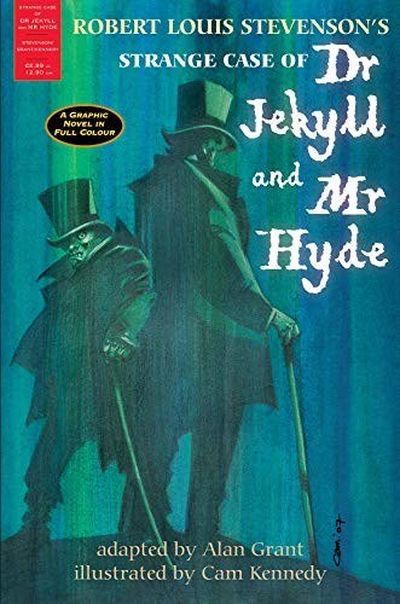 Strange Case of Dr Jekyll and Mr HydeRobert Louis StevensonLes Liaisons dangereusesPierre Choderlos de Laclos
 The Heart of the MatterGraham Greene
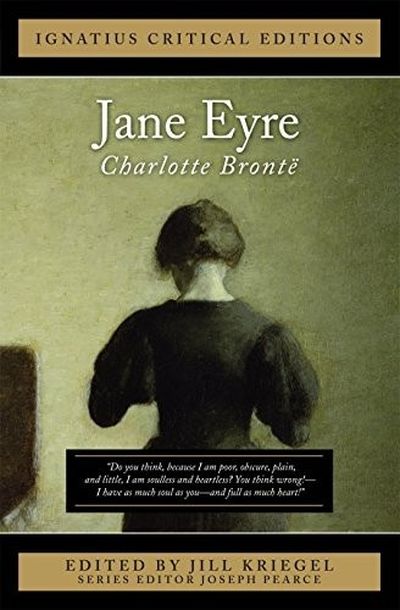 Jane EyreCharlotte Brontë
 The Sheltering SkyPaul Bowles
 Catch-22Joseph Heller
 A High Wind in JamaicaRichard Hughes
 DraculaBram Stoker
This guide discusses the whole plot, including the ending.