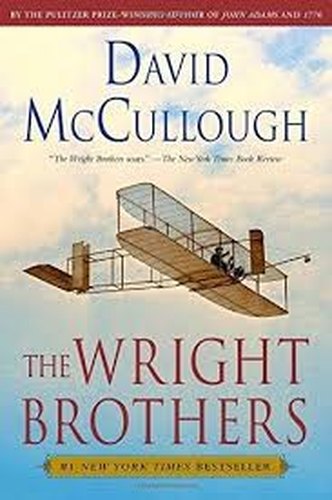
Two bicycle makers from Dayton, Ohio, teach themselves to fly and change the world
The brothers who learned to fly
Wilbur and Orville Wright had no college degrees, no funding and no connections. They ran a small bicycle shop in Dayton, Ohio. Yet through patient study, careful experiments and remarkable courage, they solved the problem of powered flight. David McCullough tells their story using their own letters and diaries, including the important role of their sister, Katharine.
Who will enjoy it
Readers who enjoy history, biography and inspiring stories of invention, persistence and family.
What you will get
An inspiring, warm and very readable biography of two brothers whose curiosity, discipline and teamwork gave the world flight, written by a master storyteller.
The Wright Brothers Facts: Pages, Genre and Setting
Genre
Nonfiction · Aviation · Biography · American history
Length
336 pages · ≈ 10 h
More about this book
McCullough begins with the Wright family in Dayton: a household full of books, with a father who encouraged curiosity, and a close bond between Wilbur, Orville and their sister, Katharine, a teacher who managed much of their home life and later their public life. The brothers ran a printing business and then a bicycle shop, and their growing fascination with birds and gliders led them to write to the Smithsonian for information on flight.
From 1900 they traveled each year to the remote sand dunes near Kitty Hawk, North Carolina, chosen for its steady winds, where they tested gliders, built their own wind tunnel and designed a light engine and propellers. On December 17, 1903, at Kill Devil Hills, Orville made the first powered, controlled flight, lasting about twelve seconds. The book then follows the years of skepticism that followed, their quiet flights at Huffman Prairie near Dayton, Wilbur's triumphant demonstrations in France in 1908, and Orville's terrible crash during army trials in Virginia the same year. Through letters and diaries, McCullough shows their humility, humor and determination.
Clear, lively and full of character. About 336 pages in the Simon & Schuster paperback, with photographs.
 1776
 Unbroken
 The Right Stuff
 John Adams
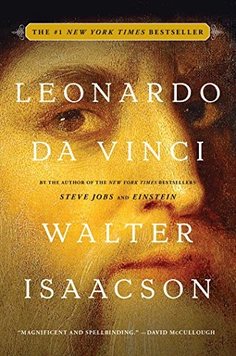 Leonardo da Vinci
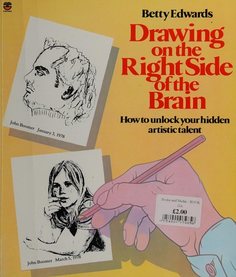 Drawing on the Right Side of the Brain
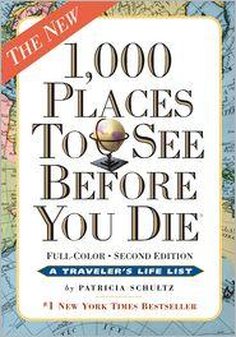 1,000 Places to See Before You Die
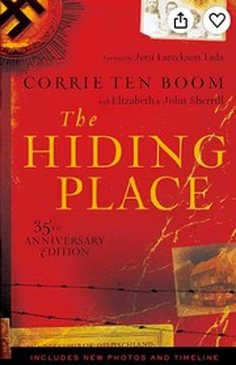 The Hiding Place
 Three Cups of Tea
 Hidden Figures
 The Boys in the Boat