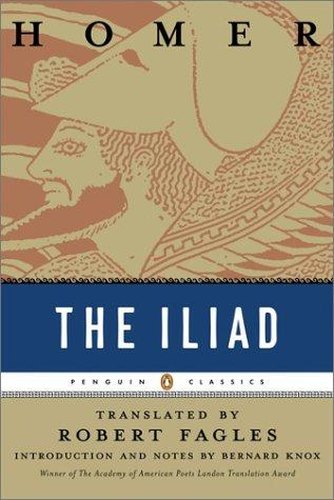
In the tenth year of the Trojan War, the greatest Greek warrior refuses to fight, and everything changes
The rage of Achilles
The Greeks have been besieging Troy for nine years when a quarrel breaks out in their camp. Achilles, their greatest fighter, is insulted by the commander Agamemnon and withdraws from the war. Without him, the Trojans led by Prince Hector drive the Greeks back toward their ships, and a chain of events begins that will cost both sides dearly.
Who will enjoy it
Readers who want the original war epic, students of the classics and fans of Greek myth retellings.
What you will get
The oldest great story of Western literature, a powerful epic of anger, friendship and loss, made vivid and readable in a celebrated modern verse translation.
The Iliad Facts: Pages, Genre and Setting
Genre
Classics · Epic poetry · Trojan War · Greek myth
Length
704 pages · ≈ 21 h
More about this book
The poem covers only a few weeks near the end of the long siege of Troy. It opens with a quarrel: Agamemnon, leader of the Greek army, is forced to return a captive woman, and to save face he takes Briseis, the prize of Achilles. Furious and humiliated, Achilles withdraws with his men and asks his mother, the sea nymph Thetis, to make sure the Greeks suffer without him.
What follows is a vast, vivid story of battle and of the people inside it. On the Trojan side, noble Hector fights to defend the city, and in one of the most famous scenes says goodbye to his wife Andromache and their baby son on the walls. The Olympian immortals, Zeus, Hera, Athena, Apollo and others, take sides and intervene. When the Greeks are pushed back to their ships, Achilles's beloved friend Patroclus goes into battle wearing his armor, and what happens to him finally brings Achilles back to the war in grief and rage. The poem ends not with the fall of Troy but with an unexpected moment of shared sorrow between enemies.
Grand and sometimes harrowing, yet deeply human. About 704 pages, with an introduction and notes by Bernard Knox.
 The Odyssey
 The Song of Achilles
 Circe
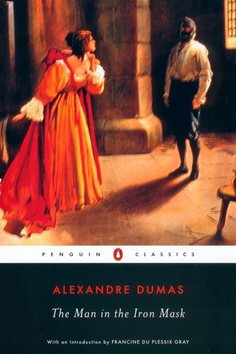 The Man in the Iron Mask
 War and Peace
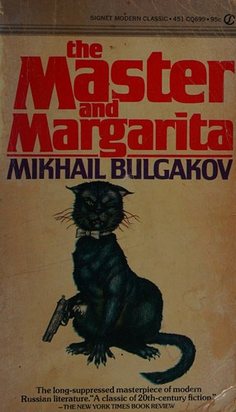 The Master and Margarita
 Hamlet
 Mrs Dalloway
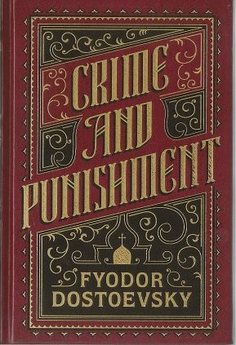 Crime and Punishment
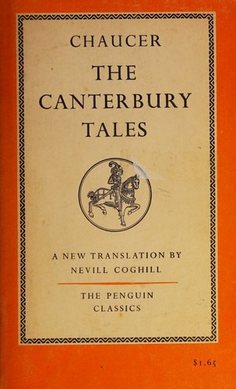 The Canterbury Tales
 Light in August
 As I Lay Dying