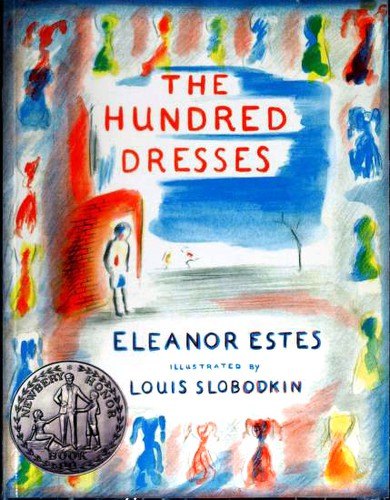
A girl who wears the same faded dress every day claims she has a hundred dresses at home, and her classmates learn too late what she meant
One blue dress and a hundred drawings
Wanda Petronski sits in the corner of Room Thirteen with the children who get mud on their shoes from the walk in from Boggins Heights. She wears the same faded blue dress every day, and her last name sounds funny to her classmates. One day, she tells a group of girls that she has a hundred dresses at home, all lined up in her closet. After that, the popular Peggy makes a game of asking Wanda about her dresses every morning, and everyone laughs.
Who will enjoy it
Children and parents looking for a short, powerful story about bullying, kindness and standing up for others, and teachers seeking a classroom discussion book.
What you will get
A short, powerful classic about teasing and kindness, and about a girl who learns how much it costs to stay silent when someone is hurt.
The Hundred Dresses Facts: Pages, Genre and Setting
Genre
Children’s Books · Kindness · Bullying · Classic short novel
Length
80 pages · ≈ 2 h
More about this book
The story is told mostly through Maddie, Peggy's best friend, who is poor herself and always uneasy about the teasing but never says anything for fear of becoming the next target. Then Wanda stops coming to school, and her family moves away. When the results of a class drawing contest are announced, the girls discover that Wanda drew a hundred beautiful dress designs, and they finally understand what her hundred dresses really were.
Estes wrote the book in the 1940s, and its message has not aged at all. It is less about the bully than about the bystander, and Maddie's slow, painful realization that silence makes her part of the cruelty is what gives the story its lasting force. The tone is quiet and honest, with no lectures. Louis Slobodkin's delicate watercolor illustrations add a soft, wistful atmosphere.
The ending is bittersweet rather than triumphant, because Wanda is already gone. That is exactly why so many adults remember it decades later. Because it can be read in a single sitting, it works perfectly as a family read-aloud followed by a real conversation. About 80 pages in the Harcourt paperback.
 Wonder
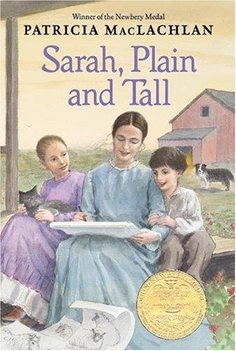 Sarah, Plain and Tall
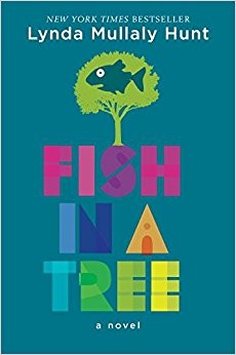 Fish in a Tree
 The Moffats
 Ballet Shoes
 Tuck Everlasting
 Roll of Thunder, Hear My Cry
 The Two Princesses of Bamarre
 Wolf Hollow
 The Little Prince
 The Giving Tree
 Make Way for Ducklings