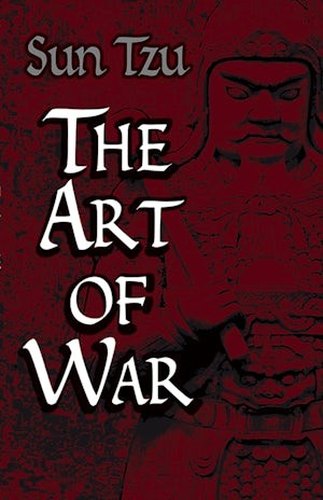
An ancient Chinese guide to strategy, still read by leaders, athletes and businesspeople today
Ancient lessons in strategy
The Art of War is an ancient Chinese treatise on military strategy, traditionally attributed to the general Sun Tzu. In thirteen short chapters it explains how to plan, when to fight and when not to, how to use terrain, deception and intelligence, and why the greatest victory is one won without fighting at all. Its compact sayings are now applied far beyond the battlefield.
Who will enjoy it
Readers interested in strategy, leadership, business, sports or history who want a short, influential classic.
What you will get
A brief, timeless classic of strategic thinking whose clear insights on planning, adaptability and understanding yourself and your opponent apply to many areas of life.
The Art of War Facts: Pages, Genre and Setting
Genre
Nonfiction · Strategy · Leadership · Ancient China
Length
96 pages · ≈ 3 h
More about this book
Very little is known for certain about Sun Tzu, and the text was likely compiled over time, but it has been studied in China for more than two thousand years and has influenced military leaders worldwide. This edition uses the translation by Lionel Giles, a British Museum scholar who in 1910 produced the first careful English version. Each chapter is made up of short, numbered statements, easy to read and to remember.
Central ideas run through the book. Careful planning and calculation come before any battle. Knowing both yourself and your enemy is the surest path to success. All warfare is based on deception, so a commander should appear weak when strong and near when far. An army should be flexible like water, adapting its shape to the terrain. Prolonged campaigns drain a state, so swift and decisive action is better. Later chapters discuss maneuvering, different types of ground, attacking with fire and the vital importance of spies. Because the advice is general, readers apply it to business competition, negotiation and sports.
Short, sharp and endlessly quoted. About 96 pages in the Dover Thrift edition.
 Meditations
 The 48 Laws of Power
 The Guns of August
 Jack: Straight from the Gut
 Beating the Street
 How Children Succeed
 Last Child in the Woods
 How Your House Works
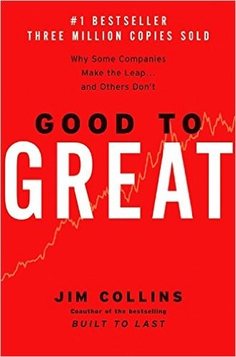 Good to Great
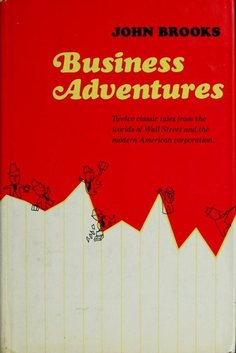 Business Adventures
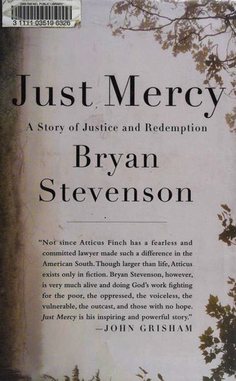 Just Mercy: A Story of Justice and Redemption
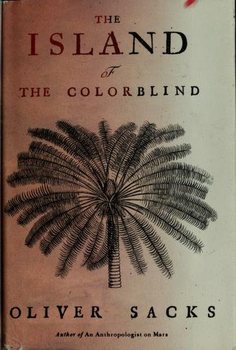 The Island of the Colorblind