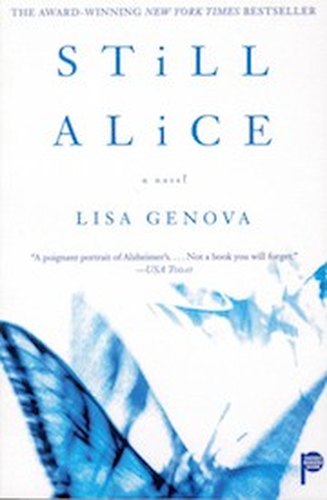
A brilliant Harvard professor is diagnosed with early-onset Alzheimer's disease at fifty
Losing memory, keeping self
Alice Howland is fifty, a respected Harvard professor of cognitive psychology, married to a successful scientist, with three grown children. When she starts forgetting words and gets lost on a familiar running route near her home, she is diagnosed with early-onset Alzheimer's disease. The novel follows her over the next two years as she struggles to hold on to her work, her family and her sense of who she is.
Who will enjoy it
Readers of emotional, realistic fiction and families affected by memory loss who want an honest, compassionate story.
What you will get
A moving, honest and compassionate novel that shows memory loss from the inside, deepening empathy for people living with Alzheimer's and their families.
Still Alice Facts: Pages, Genre and Setting
Genre
Literary Fiction · Memory · Family · Illness
Length
293 pages · ≈ 9 h
More about this book
Genova, who holds a doctorate in neuroscience, first published the book herself before it became a bestseller and later an Academy Award-winning film. Her knowledge gives the story a convincing accuracy. Told in the third person but closely following Alice's thoughts, it shows the early signs: misplaced objects, missing words in a lecture, confusion in Harvard Square. After her diagnosis, Alice learns that her form of the disease is genetic, which forces difficult decisions on her three children, Anna, Tom and Lydia, about whether to be tested.
As the months pass, Alice's ability to work disappears and her relationship with her husband, John, comes under strain as he struggles to accept what is happening. She finds unexpected closeness with her youngest daughter, Lydia, an actress with whom she had often argued, and she starts a support group for people with early-onset dementia and gives a powerful speech at a conference. As her condition advances, the writing itself reflects her confusion, with repeated scenes and missing names, which makes the experience vivid. The story is sad but also about love and dignity.
Short, clear and deeply affecting. About 293 pages in the Pocket Books paperback.
 The Notebook
 Me Before You
 Being Mortal
 Dinner at the Homesick Restaurant
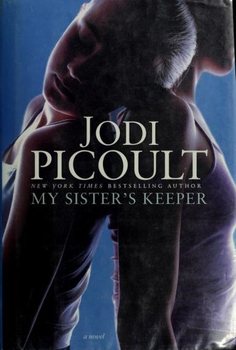 My Sister’s Keeper
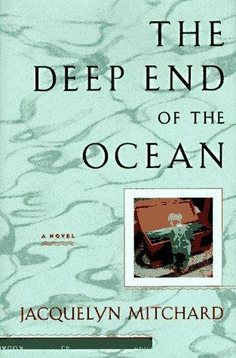 The Deep End of the Ocean
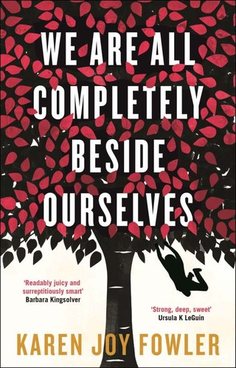 We Are All Completely Beside Ourselves
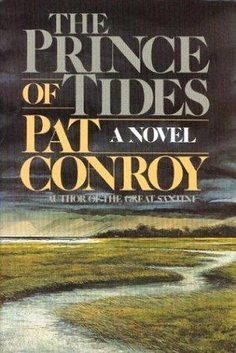 The Prince of Tides
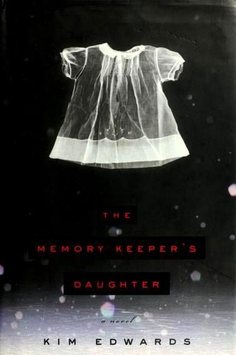 The Memory Keeper's Daughter
 The Waters of Kronos
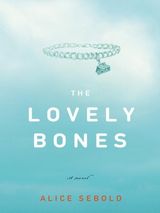 The Lovely Bones
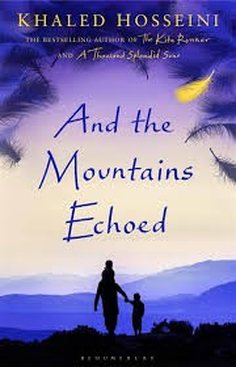 And the Mountains Echoed