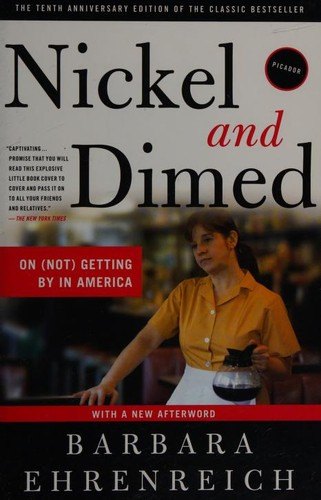
A journalist takes low-wage jobs across America to see whether it is possible to live on what they pay
Can you live on low wages?
Barbara Ehrenreich, an established journalist, decided to find out how people survive on low wages. Between 1998 and 2000 she left her normal life and worked as a waitress, hotel housekeeper, house cleaner, nursing home aide and retail clerk in three American cities, trying each time to earn enough to pay for rent and food.
Who will enjoy it
Readers interested in work, economics and social issues who enjoy vivid, first-hand reporting with humor and sharp observation.
What you will get
An eye-opening, often funny and thought-provoking first-hand account of low-wage work that changes how readers see the people who serve, clean and stock shelves.
Nickel and Dimed Facts: Pages, Genre and Setting
Genre
Nonfiction · Work · Poverty · Journalism
Length
256 pages · ≈ 8 h
More about this book
Ehrenreich set simple rules for her experiment: she would not use her education or savings to get ahead, and she would take the best job she could find and the cheapest housing available. In Key West, Florida, she waited tables at a family restaurant and then took a second job cleaning hotel rooms, discovering how exhausting it was to hold two jobs and how hard it was to find affordable housing near work.
In Portland, Maine, she worked for a house-cleaning company, scrubbing floors on her knees, while weekends were spent as a dietary aide in a nursing home. In Minneapolis she took a job at a large discount store, folding clothes and dealing with strict rules, and found that rents were too high to make the numbers work. Throughout she describes her coworkers with respect and warmth, noting their skill, resilience and health problems, and shows the hidden costs of being poor, such as paying more for motel rooms because there is no money for a deposit. The tone is personal and frequently funny.
Readable, sharp and memorable. About 256 pages in the Picador paperback, with an afterword.
 Business Adventures
 A Framework for Understanding Poverty
 Collins Complete DIY Manual
 Quiet
 Martha Stewart's Homekeeping Handbook
 How Your House Works
 Getting to Yes
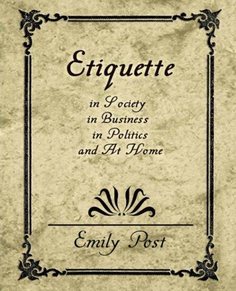 Etiquette
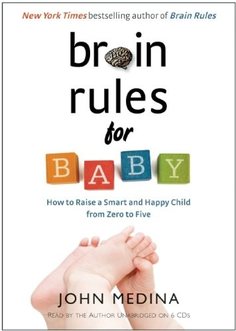 Brain Rules for Baby
 Decoding Your Dog
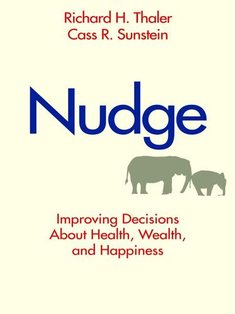 Nudge
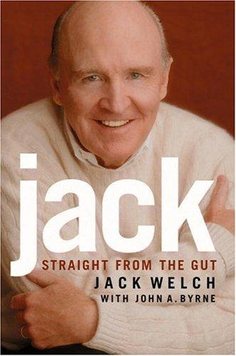 Jack: Straight from the Gut