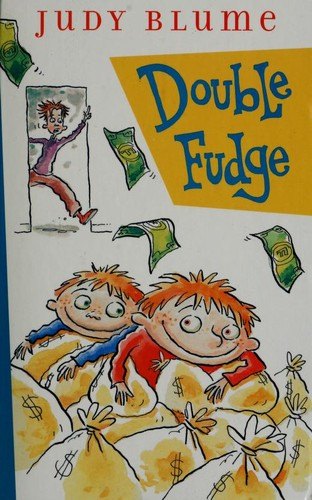
Peter Hatcher's little brother Fudge is suddenly obsessed with money, and a family trip to Washington brings an even bigger surprise: cousins
Money, money, money
Five-year-old Fudge has discovered money, and he cannot stop talking about it. He wants to make it, count it and spend it, and he is printing his own Fudge Bucks. To set him straight, the Hatchers take a trip to Washington, D.C., to see where real money is printed. There they run into long-lost cousins from Hawaii, a cheerful, eccentric family that includes twin girls and a toddler who also happens to be called Fudge.
Who will enjoy it
Children who loved the earlier Fudge books, families looking for a funny read-aloud, and anyone with a sibling who drives them up the wall.
What you will get
The fifth Fudge book sends the Hatcher family to Washington, where a money-mad five-year-old and a set of eccentric cousins turn an ordinary trip into comic chaos.
Double Fudge Facts: Pages, Genre and Setting
Genre
Children’s Books · Family comedy · Little brother · Washington trip
Length
240 pages · ≈ 7 h
More about this book
Written nearly three decades after the first book, Double Fudge picks up the Hatcher family as though no time had passed, and Blume's ear for family comedy is as sharp as ever. Peter, now in seventh grade, narrates with the weary patience of a big brother, and his embarrassment at his family is one of the book's best running jokes.
Fudge's money obsession produces plenty of laughs, and the trip to the Bureau of Engraving and Printing gives the story a fun, slightly educational centre. The real comic engine, though, is the arrival of the cousins, whose sunny, unselfconscious behaviour drives Peter to despair. The toddler with the same nickname as Fudge creates delightful confusion.
The plot is loose, and readers who know the earlier books may find some jokes familiar. Peter's worries about growing up are touched on lightly rather than explored. It is best read after Tales of a Fourth Grade Nothing and Superfudge, though it stands on its own. Parents reading it aloud will find plenty to smile at too, especially in Peter's exasperated asides about the rest of his family. About 240 pages in the Puffin paperback; another printing runs 213.
 Superfudge
 Tales of a Fourth Grade Nothing
 Otherwise Known as Sheila the Great
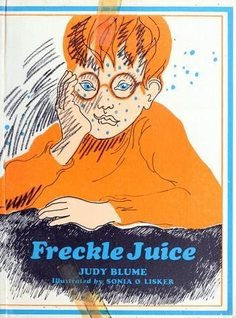 Freckle Juice
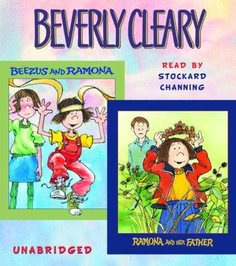 Beezus and Ramona
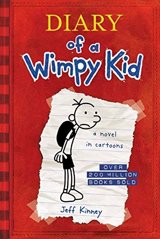 Diary of a Wimpy Kid
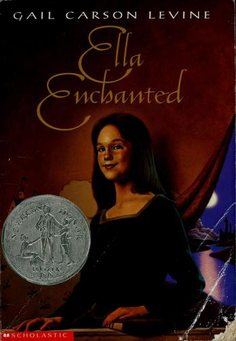 Ella Enchanted
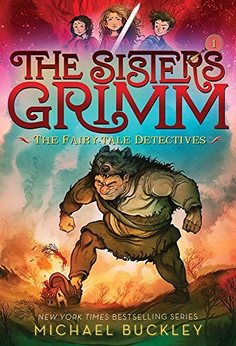 The Fairy-Tale Detectives
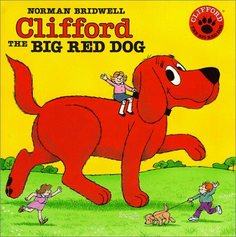 Clifford the Big Red Dog
 The Cat in the Hat
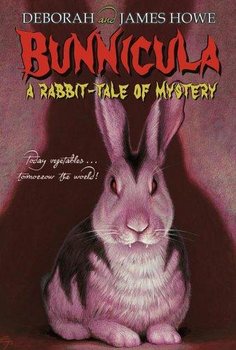 Bunnicula
 Where Is Baby’s Belly Button?