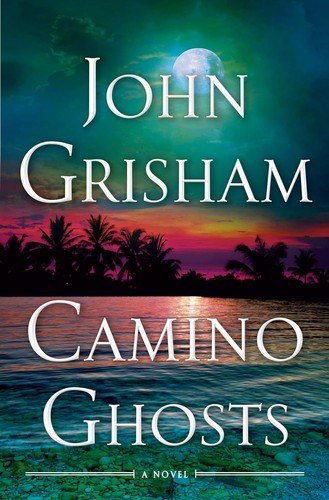
A small island with a remarkable history is targeted by a developer, and its last resident and a novelist join forces to fight for it in court
The island that remembers
Near Camino Island lies Dark Isle, a small, uninhabited island settled long ago by people who had escaped slavery. Its last living resident, an elderly woman named Lovely Jackson, insists the island belongs to her family. When a developer plans to build a resort there, Lovely refuses to give up her claim. Bookseller Bruce Cable introduces her to novelist Mercer Mann, who wants to tell Lovely's story, and the two are drawn into a legal fight over who really owns Dark Isle.
Who will enjoy it
Readers who enjoyed Camino Island and Camino Winds, fans of courtroom stories, and anyone interested in fiction that explores local history.
What you will get
A thoughtful Camino novel in which a novelist helps an elderly woman fight a developer for an island founded long ago by people who escaped slavery.
Camino Ghosts Facts: Pages, Genre and Setting
Genre
Mystery & Thriller · Island history · Courtroom battle · Bookseller sleuth
Length
304 pages · ≈ 9 h
More about this book
This is the most serious of the Camino books, and arguably the best. Lovely Jackson is a memorable character, dignified and stubborn, and her family history, told in substantial flashback chapters, gives the novel depth. Grisham handles the painful history of slavery and its aftermath with restraint and respect.
The second half becomes a classic Grisham courtroom drama, as a determined local lawyer takes on the developer's well-funded team. The legal manoeuvring over historical evidence and property rights is clear and engaging, and the outcome is satisfying. Bruce Cable and Mercer Mann are more in the background this time, as observers and helpers.
The suggestion of a curse on the island adds atmosphere but is not developed into a supernatural plot, which may disappoint some readers. The flashbacks slow the pace, and fans of the lighter earlier books may find the tone surprising. For readers who want a Grisham story with history and heart, it is rewarding. The book also offers an interesting look at how communities remember, or forget, their past, and how the law can struggle to recognise claims that were never written down. Readers who enjoy legal puzzles will find the courtroom chapters especially absorbing. About 304 pages in the Doubleday hardcover.
 Camino Winds
 Camino Island
 A Time to Kill
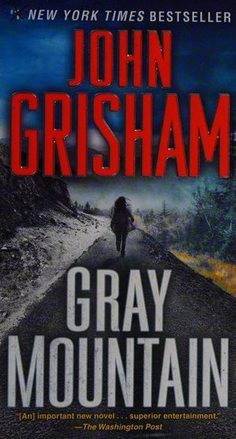 Gray Mountain
 Clouds of Witness
 Strong Poison
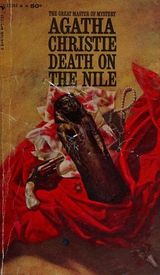 Death on the Nile
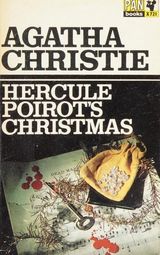 Hercule Poirot’s Christmas
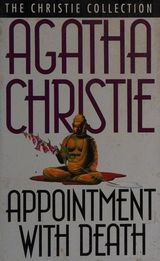 Appointment with Death
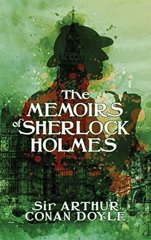 The Memoirs of Sherlock Holmes
 A is for Alibi
 The Adventures of Sherlock Holmes