 Historical Fiction · Dark
Cora runs from a Georgia plantation on a literal underground railroad
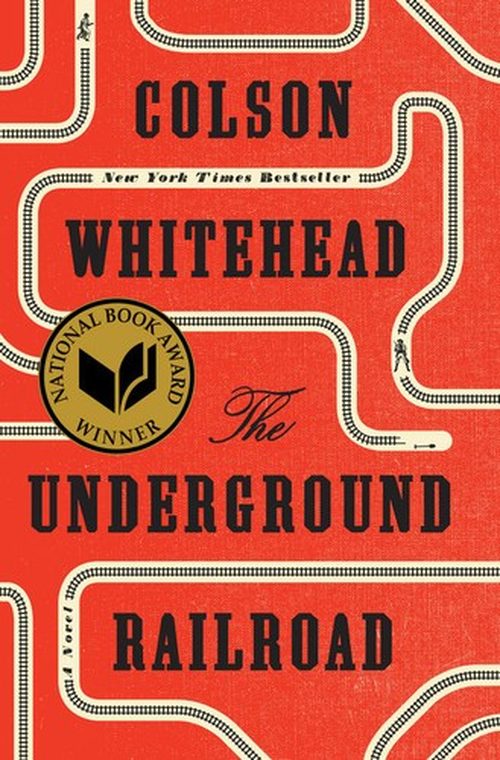
The Underground Railroad
An enslaved woman escapes a Georgia plantation with a slave catcher on her trail
Cora is enslaved on a cotton plantation in Georgia. When Caesar, who has recently arrived from Virginia, tells her about the Underground Railroad, the two decide to escape together. They find a station and head north, pursued by Ridgeway, a relentless slave catcher. In this novel the Underground Railroad is a real network of tunnels and trains, and each stop shows a different version of America. The first, a South Carolina city, seems like a haven, but its calm surface hides a scheme targeting its Black residents.
More about this book
Who
Cora, a young enslaved woman on a plantation in Georgia. She is an outcast there because her mother, Mabel, escaped years earlier and left her behind. Caesar, another enslaved person, proposes that they run together, and Cora, reluctant at first, agrees as conditions on the plantation worsen.
World
The antebellum South in the nineteenth century, beginning in Georgia.
What makes it different
The historical Underground Railroad was a loosely organized network of routes and safe houses. Whitehead makes it a literal railway, with trains and secret routes under the South. He had the idea around 2000 but began serious work in 2014, reading former slaves' narratives, including the WPA Slave Narrative Collection. Some chapters follow other characters, such as Cora's grandmother Ajarry and her mother.
Feel
Historical fiction with an alternate-history twist: a realistic portrait of slavery told in allegorical form. It won the Pulitzer Prize, the National Book Award and the Arthur C. Clarke Award, and Barry Jenkins adapted it as a limited series in 2021.