 Literary Fiction · Thoughtful
Nine strangers, each changed by an encounter with a tree, fight to save the old forests
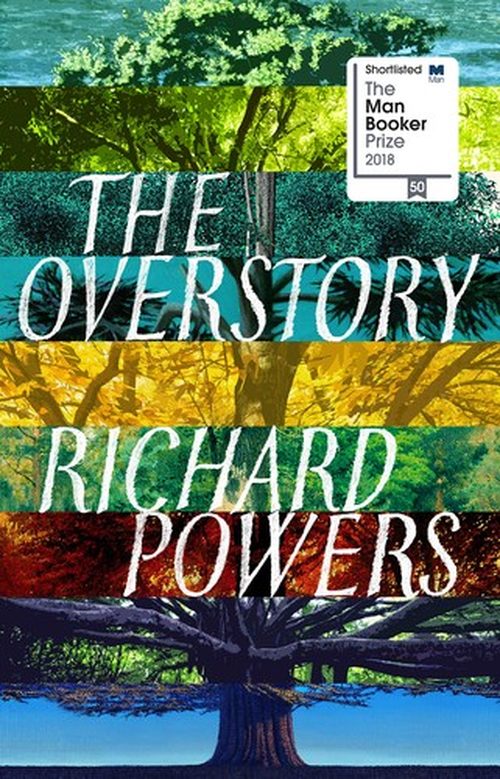
The Overstory
Nine strangers, each drawn to trees, join a last stand to save the old forests
Nine strangers, each drawn to trees in a different way, come together to protect the continent's few remaining acres of old-growth forest. The novel is built from interlocking stories that run from nineteenth-century New York to the Timber Wars of the Pacific Northwest. It is about the conflict between humans and the nonhuman world, a hidden, interconnected system that its characters slowly learn to see.
More about this book
Who
Nine main characters whose lives are tied to trees and forests: Nicholas Hoel, Olivia Vandergriff, Adam Appich, Mimi Ma, Douglas Pavlicek, Patricia Westerford, Neelay Mehta, Ray Brinkman and Dorothy Cazaly. Their stories begin separately.
World
The United States over several generations. The book opens in the mid-1800s on an Iowa farm, where the Hoel family's chestnut tree becomes an early thread. It deals with real-world deforestation and the loss of old-growth forests.
What makes it different
The narrative is non-linear. Powers has said Robin Wall Kimmerer's Braiding Sweetgrass helped shape it, especially its view of plants as complex, intelligent beings, and the character Patricia Westerford was heavily inspired by the forest ecologist Suzanne Simard.
Feel
Environmental fiction about activism and humanity's relationship with the natural world. It won the 2019 Pulitzer Prize for Fiction and was shortlisted for the 2018 Booker Prize.