 Historical Fiction · Melancholic
In 1855 Virginia, a Black farmer who was once enslaved owns enslaved people himself
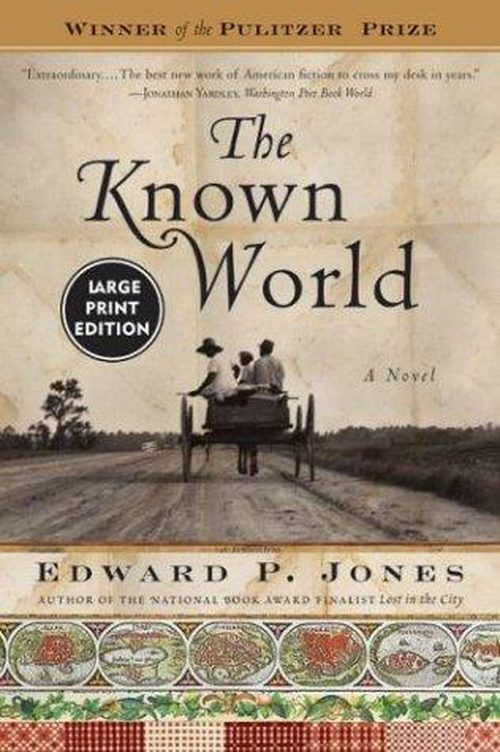
The Known World
A former slave in Virginia becomes a farmer who owns enslaved people of his own
In antebellum Virginia, Henry Townsend, born into slavery, becomes a farmer, bootmaker and plantation owner with enslaved people of his own. After his death his widow Caldonia falls into grief, and the plantation begins to unravel as enslaved people escape at night and relationships strained by slavery turn into betrayal. The story widens to the whole community around the farm: patrollers keep watch, speculators sell free Black people into slavery, and rumors of rebellion turn white families against the workers they depend on.
More about this book
Who
Henry Townsend, a formerly enslaved Black man who now owns more than thirty enslaved people. The novel opens with his death in 1855 and introduces the people around his estate: his widow Caldonia; Moses, the overseer; Fern Elston, a free Black woman who taught Henry; and Sheriff John Skiffington, who enforces the slave laws although he opposes slavery.
World
Manchester County, an invented county in antebellum Virginia.
What makes it different
Henry's father, Augustus, had bought Henry's freedom, and Henry's decision to own people causes tension with his parents. The narrative jumps back and forth in time and weaves stories within stories. It looks at the ownership of Black people by both white and Black Americans.
Feel
A historical novel. It won the National Book Critics Circle Award and the Pulitzer Prize for Fiction in 2004 and the International Dublin Literary Award in 2005.